
Echinacea (Coneflower) Care
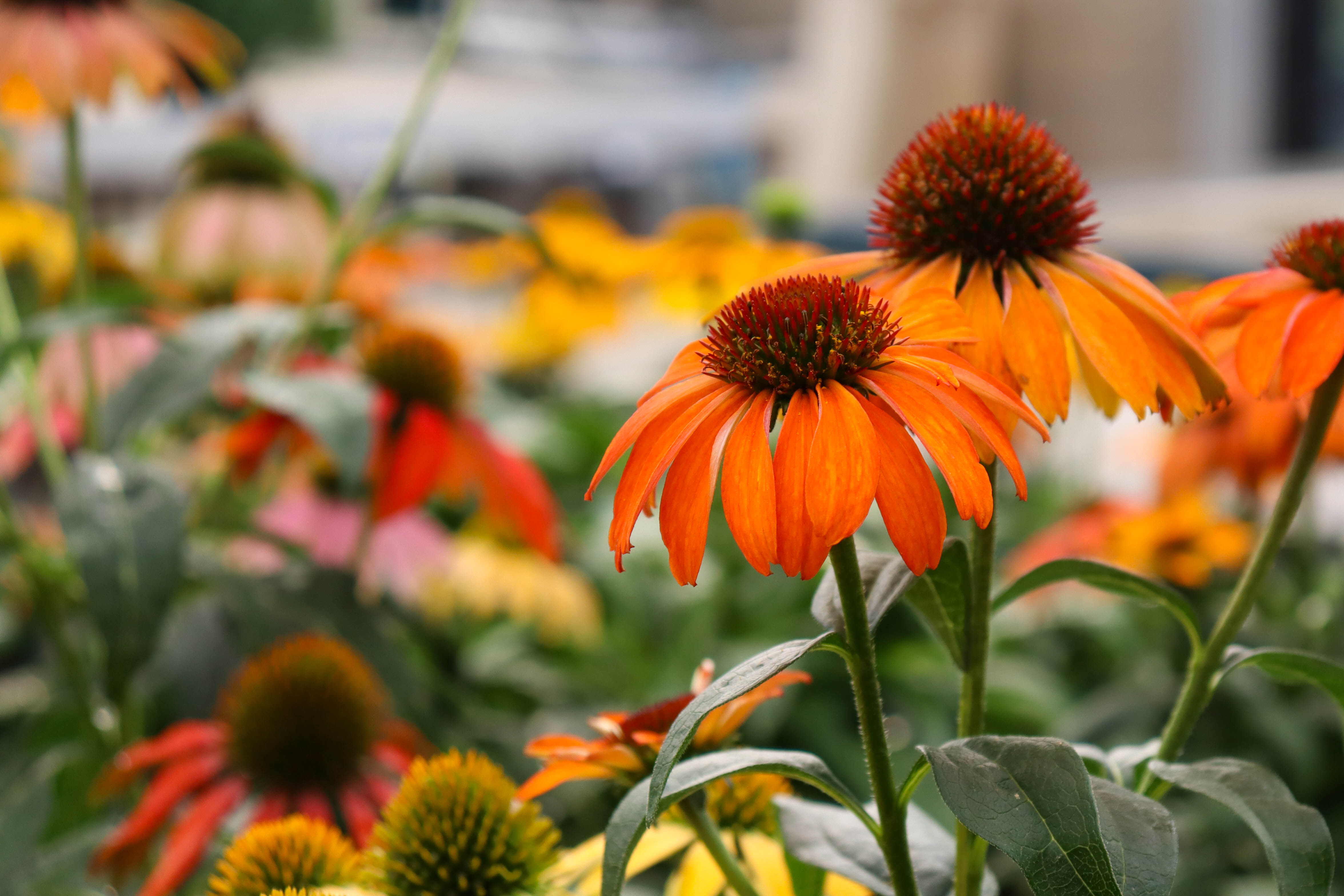
Coneflowers (Echinacea) are one of the most reliable and rewarding perennials you can add to your garden. Known for their daisy-like blooms, sturdy stems and long flowering season, these hardy plants provide vibrant color from summer into fall while attracting butterflies, bees and other pollinators.
Available in shades of purple, pink, white, yellow, orange, red and even bi-colored varieties, coneflowers are a beautiful addition to flower beds, borders, cottage gardens and pollinator landscapes.
Here's everything you need to know to help your coneflowers thrive.
Plant in Full Sun
Coneflowers perform best when planted in full sun, receiving at least 6–8 hours of direct sunlight each day.
While they can tolerate light shade, plants grown in sunnier locations typically produce more blooms, stronger stems and a more compact growth habit.
Choose Well-Draining Soil
One of the keys to healthy coneflowers is good drainage.
They grow well in average garden soil and are surprisingly tolerant of poor or rocky soils, but they don't like sitting in consistently wet conditions. If your soil tends to stay soggy, consider amending it with compost or planting in a raised bed to improve drainage.
Water Wisely
Newly planted coneflowers should be watered regularly until they're well established.
Once mature, they're quite drought tolerant and usually only need supplemental watering during extended dry periods. Water deeply when the soil becomes dry which encourages deeper, healthier roots, rather than giving frequent, shallow waterings.
Fertilize Sparingly
Coneflowers don't require heavy feeding to perform well.
Mixing compost (Bumper Crop Soil Amendment) into the soil at planting time and applying a balanced, slow-release fertilizer in spring is usually all they need. Too much fertilizer can encourage leafy growth at the expense of flowers.
Deadhead for More Blooms
Removing spent flowers throughout the summer encourages many varieties to continue blooming and keeps plants looking tidy.
Supporting Pollinators
Coneflowers are among the best perennials for attracting pollinators.
Their nectar-rich blooms are a favorite of butterflies, bees and other beneficial insects throughout the growing season. Leaving the seed heads on plants after flowering also provides an important food source for birds during the colder months.
Divide When Needed
Over time, mature clumps may become crowded and produce fewer flowers.
Dividing plants every 3–5 years in early spring or fall helps rejuvenate growth and gives you extra plants to expand your garden or share with friends and family.
A Great Choice for Cut Flowers
Coneflowers aren't just beautiful in the landscape; they also make excellent cut flowers.
Their sturdy stems and long-lasting blooms hold up well in fresh arrangements, bringing a touch of the garden indoors. Harvest flowers in the morning after they've fully opened for the longest vase life.
A Low-Maintenance Garden Favorite
Whether you're creating a pollinator garden, filling a sunny perennial bed or simply looking for dependable summer color, coneflowers are an excellent choice.
With plenty of sunshine, well-draining soil, occasional watering and minimal maintenance, these resilient perennials will reward you with months of colorful blooms while supporting the pollinators and birds that make your garden come alive.
Happy gardening!