
Seed Starting Indoors
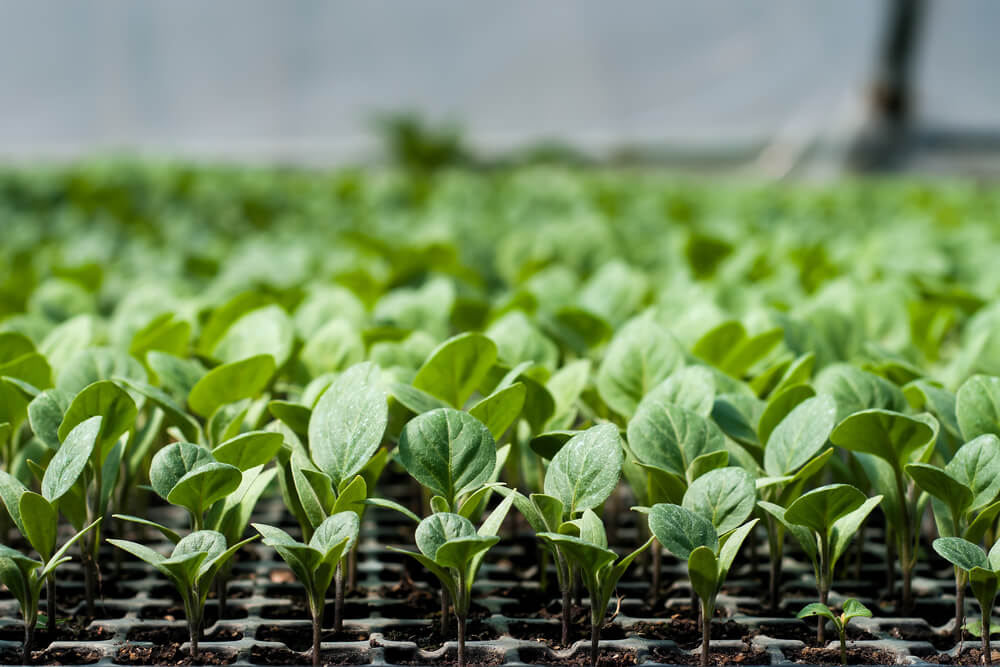
Growing Plants from Seed at Home
Herbs, vegetables, annuals, perennials and even wildflowers can all be grown from seed right in your home.
Seed starting is an affordable and rewarding late-winter activity, and it’s a wonderful way to get kids involved in gardening, too. Watching tiny seeds sprout and grow helps spark curiosity and appreciation for nature.
Every type of seed grows a little differently. Some sprout quickly, while others take weeks. Certain seeds even need special treatment before planting, such as chilling, lightly scratching the seed coat or soaking overnight. Always read the back of the seed packet carefully so you know exactly what each plant needs.
Why Start Seeds Early?
Starting seeds indoors gives plants a head start while it’s still cold outside. By the time warmer weather arrives, you’ll have strong, healthy seedlings ready to plant in the garden. This allows plants to flower and produce fruit earlier.
Warm-season crops like tomatoes and peppers benefit from early seed starting. These plants need a long growing season and in most parts of the U.S., since summers are too short for them to fully mature if seeds are planted directly outdoors.
Another big advantage? Variety. Starting seeds lets you grow unique or heirloom plants that may not be available as transplants in local garden centers.
When to Start Seeds
Timing is important. Seed packets tell you exactly when to start seeds indoors, usually based on your local frost date.
- Start too early and seedlings can become tall, weak or root-bound.
- Start too late and plants may struggle to catch up once planted outdoors.
Keep in mind that most perennials grown from seed won’t bloom until their second year.
Choosing Growing Containers
Seed starting kits or mini-greenhouses are one of the easiest options. These usually include:
- A drainage tray
- Plastic cell packs
- A clear humidity dome
Some kits also include a self-watering mat that draws moisture up from below.
Jiffy peat pellets are another popular choice. When soaked in water, they expand to several times their size and create a small planting pouch. You can sow two or three seeds per pellet and since they’re biodegradable, they can be planted directly into the garden without disturbing the roots.
Peat pots and biodegradable cell packs work the same way and help reduce transplant shock.
Soil & Growing Media
Always use soil made specifically for seed starting. This type of mix is lightweight, sterile and allows young roots to grow easily.
Avoid:
- Garden soil or topsoil (not sterile)
- Triple mix (too heavy)
- Houseplant soil (too dense)
Before planting, slightly moisten the soil and let it sit overnight. Fill your containers, sow two or three seeds per cell and lightly cover them with soil, unless the seed packet says the seeds need light to germinate.
Place containers in a drainage tray and loosely cover with a humidity dome, leaving a small opening for air flow. Remove the cover once seedlings reach the top.
Other popular growing options include hemp fiber and rockwool cubes.
Heat for Germination
Most seeds germinate best between 60–75°F, with 72°F being ideal for many vegetables and annuals. Perennials can often handle slightly cooler temperatures.
Using a seedling heat mat provides gentle bottom heat, which helps seeds sprout faster and more evenly.
Light Matters
Seedlings need bright light to grow strong. Place them near a sunny window or under grow lights kept about 6 inches above the plants.
Label each container clearly using plant markers and a permanent marker—especially if you’re growing multiple varieties.
Watering Seedlings
Never let seedlings dry out completely. When the soil surface feels dry, gently mist with a spray bottle. Avoid using watering cans, as strong water flow can wash away soil or damage delicate seedlings.
Moving Seedlings Outdoors
Before planting seedlings in the garden, they need time to adjust to outdoor conditions. This process is called hardening off.
For about one week:
- Place seedlings outside in light shade for a few hours each day.
- Bring them back indoors at night.
- Gradually increase sun exposure each day.
Skipping this step can cause leaves to burn. Some cold-tolerant seedlings can be planted earlier than others, so check seed packets for frost tolerance and recommended planting dates.
Seed starting may take a little patience, but the reward is healthier plants, more variety and a garden you truly grew from the ground up.