
All About Slugs
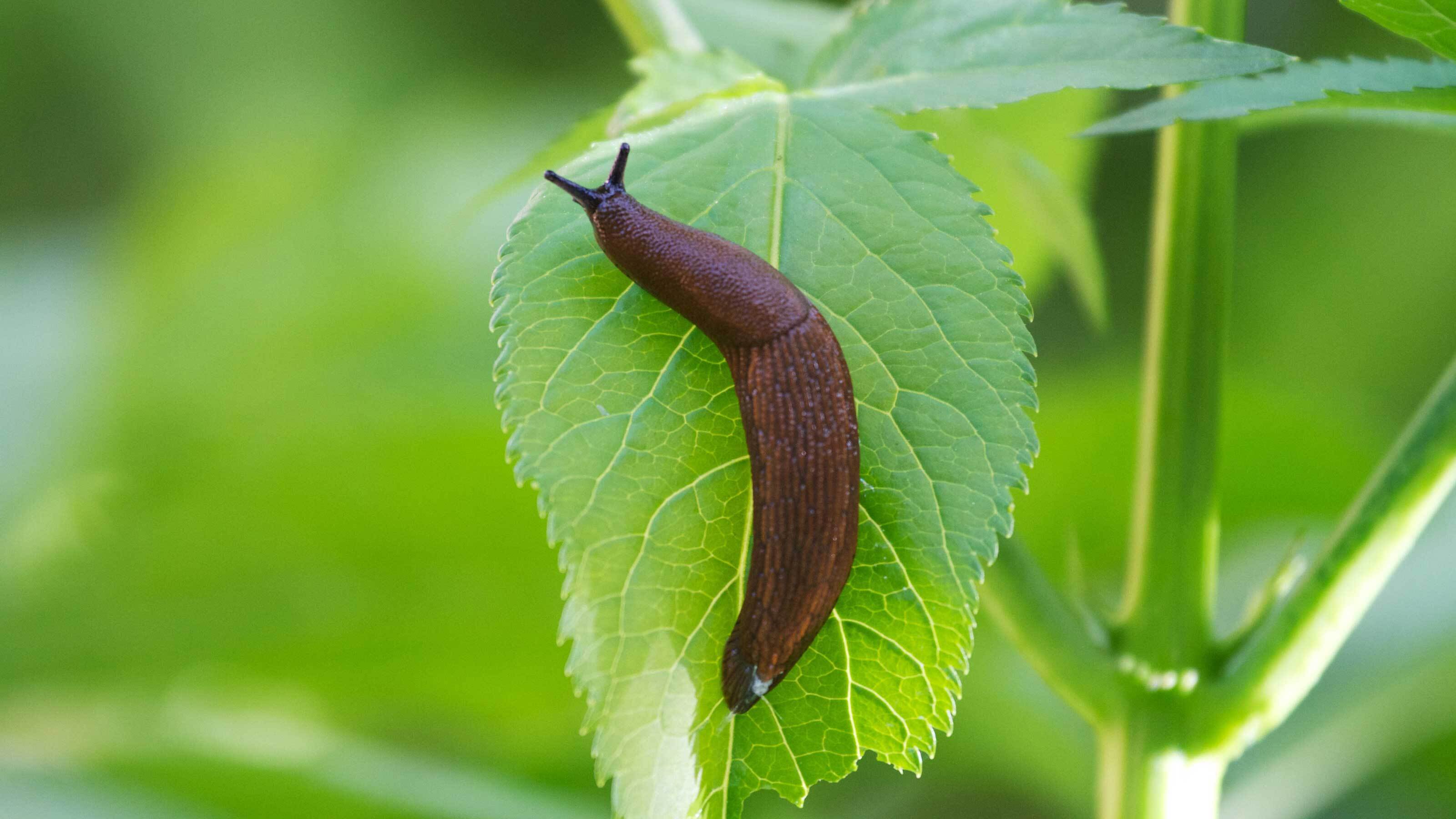
Slug damage can be frustrating for gardeners because these pests are rarely seen during the day. They prefer to hide, which makes it tricky to figure out what’s harming your plants. Understanding how slugs live, what damage they cause and how to manage them can help keep your garden healthy.
How to Spot Slug Damage
Slugs feed on plant leaves and can cause different types of damage depending on the plant. Smaller leaves may be eaten completely, while larger leaves often have irregular holes or chewed edges. On thicker leaves, slugs sometimes scrape the surface from underneath rather than chewing all the way through.
One of the easiest ways to confirm slug activity is by looking for their shiny slime trails, which they leave behind as they move across plants and soil.
Slug History and Habits
Slugs and snails belong to a group of animals called gastropods. They are actually more closely related to clams and mussels than to insects. Slugs feed by scraping plant material using specialized mouthparts.
They are most active at night, especially during cool, damp conditions. However, they may also appear during cloudy or rainy days. During the daytime, slugs hide in moist areas such as soil cracks, under plant debris or beneath mulch. In hot, dry weather, they often become inactive.
Slugs lay small clusters of eggs in soil cracks. Young slugs hatch and move through the soil, where they can damage seeds and root crops. Under favorable conditions, slugs can develop into adults within just a few months.
Reducing Slug-Friendly Conditions
Because slugs are mostly made of water and rely on moisture to survive, reducing damp conditions can help limit their population.
Helpful prevention methods include:
- Removing garden debris where slugs may hide
- Avoiding heavy organic mulches like straw or grass clippings
- Increasing airflow around plants by spacing them properly or using trellises
- Using drip irrigation or soaker hoses to keep foliage dry
- Watering early in the day so soil and leaves can dry before nighttime feeding begins
These methods help create an environment that is less inviting for slugs.
Using Attractants and Traps
Slugs are drawn to fermenting materials. Simple traps can help reduce their numbers.
Popular trap options include shallow containers filled with beer or sugar water mixed with yeast.
Slugs are attracted to the scent, fall into the liquid and drown. Since these traps only attract slugs from a small area, placing several traps throughout the garden works best. Refill them as needed to keep them effective.
Repellents and Barriers
Slugs tend to avoid certain surfaces and materials. Gardeners sometimes use barriers to protect plants, including: diatomaceous earth, wood ashes, copper tape or copper barriers.
These materials can discourage slugs from reaching plants, although moisture can reduce their effectiveness. Salt can kill slugs if applied directly, but it should be used carefully since it can also damage soil and plants.
Using Slug Control Products
Products designed to control slugs and snails are called molluscicides. Regular insecticides usually do not work on slugs.
Metaldehyde
Metaldehyde is a commonly used slug bait. It attracts slugs and causes dehydration after contact. It is typically used around ornamental plants and flower gardens but is not labeled for use directly around edible crops.
Keep in mind that metaldehyde can be harmful to dogs and pets, so it should be stored and applied carefully.
Iron Phosphate
Iron phosphate is another effective and widely used slug control option. It is considered safer for pets and can be used around edible crops. Products containing iron phosphate are often comparable in effectiveness to metaldehyde and are a popular choice for home gardeners.
Slug damage can be discouraging, but with the right approach, it can be managed effectively. Monitoring your garden, reducing excess moisture, using traps and applying appropriate control products can all help protect your plants. A combination of prevention and treatment usually delivers the best results.