
Cold Tolerant Annuals
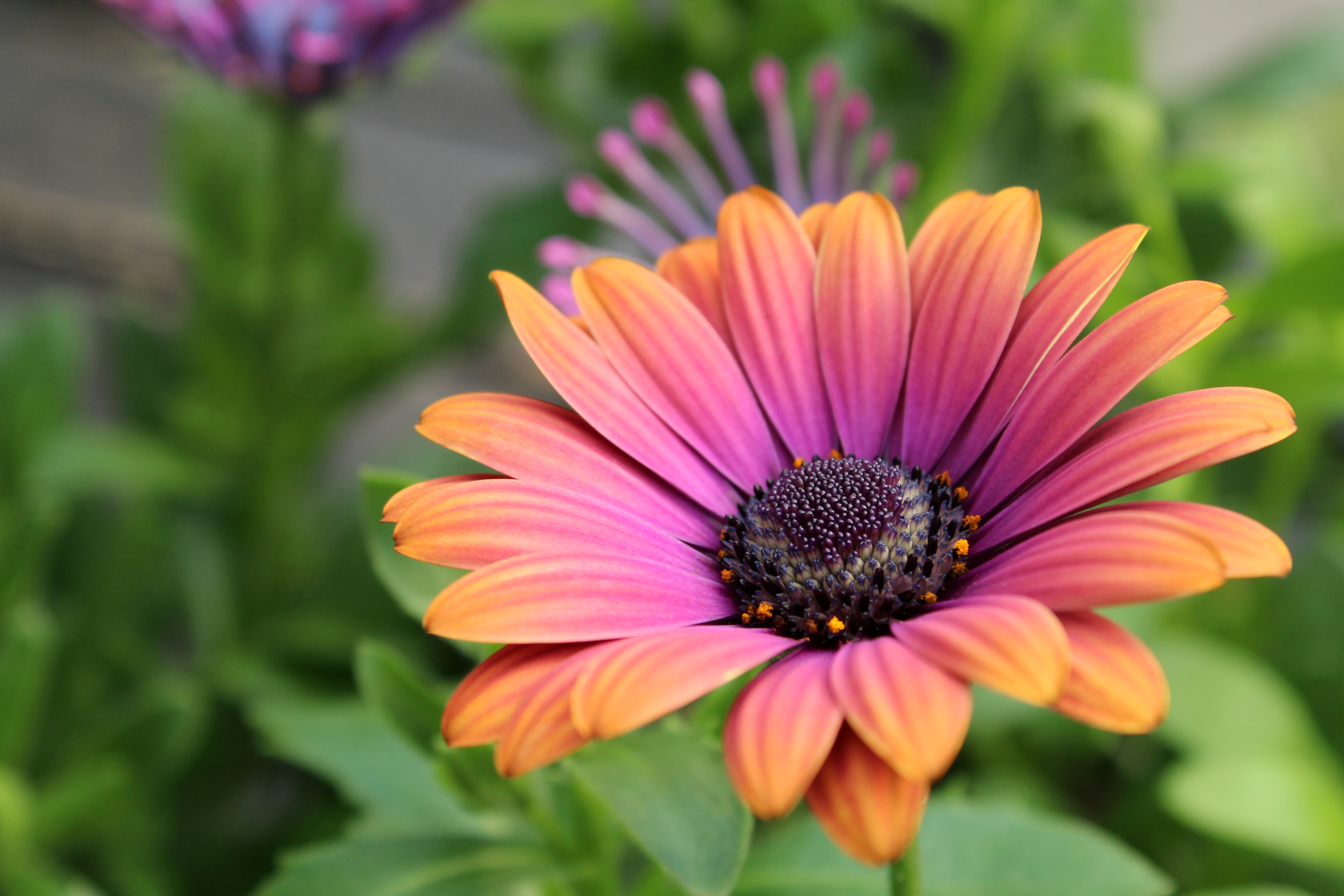
A Simple Guide to Cold-Tolerant Annuals
Not all annuals are created equal when it comes to cold weather. Some can handle frost with ease, while others need warm soil and mild nights to thrive. Understanding the different types of cold-tolerant annuals can help you plant earlier, extend your season and protect your plants when temperatures dip.
Types of Cold-Tolerant Annuals
Tender Annuals
Tender annuals are the most sensitive to cold. They are easily injured or killed by frost and often struggle in cold soil. These plants should not be planted outdoors until after the average frost-free date, when both air and soil temperatures have warmed.
Frost-Tolerant Annuals
Frost-tolerant annuals can handle light frosts and are usually safe to plant before the average frost-free date. While they are tougher than tender annuals, their flowers and foliage may still suffer damage if temperatures drop well below freezing or if they experience a hard frost.
Freeze-Tolerant Annuals
Freeze-tolerant annuals can withstand freezing temperatures and hard frosts for short periods with little to no damage. These are excellent choices for early spring and late fall planting.
Semi-Hardy Annuals
Semi-hardy annuals are perennials in warmer climates and are very tolerant of frost and freezing temperatures. In mild winters or when planted in a protected, sunny location, some may even overwinter successfully.
How to Use Cold-Tolerant Annuals
Cold-tolerant annuals are versatile and can be used in several ways:
- Containers
- Hanging baskets
- In the landscape (plants should be properly hardened off before planting)
They’re perfect for adding early color to porches, patios and garden beds when other plants aren’t ready yet.
What Does “Hardening Off” Mean?
Whether you grow plants yourself or purchase them from a greenhouse or garden center, hardening off is an important step before planting outdoors.
Hardening off is the process of gradually acclimating plants to outdoor conditions. Plants raised indoors or in greenhouses are used to warm temperatures, gentle light and little wind. Moving them straight outside can shock them, slowing growth or causing damage.
How to Harden Off Plants
- Place plants outdoors in a shaded, protected area.
- Gradually increase their exposure to sunlight, wind and temperature changes over 7–14 days.
- Check soil moisture often, as containers dry out faster outdoors.
- Allow plants to slightly dry between waterings, but never let roots completely dry out.
What to Expect
Hardened-off plants often develop darker green foliage and may show slight purpling or yellowing. Minor leaf damage from wind is normal. Healthy plants will quickly outgrow these symptoms once planted.
What to Do If It Gets Really Cold
Unexpected cold snaps happen, but a few simple steps can help protect your plants.
Move Containers Indoors
If possible, bring hanging baskets and potted plants inside during extreme cold.
Use Covers
Covering plants helps trap heat from the soil. Old sheets, blankets or light rugs work well. Leave some air space between the plant and the cover for insulation and avoid heavy materials that could crush plants. Do not use plastic; it transfers cold and offers little protection.
Water the Soil
Moist soil holds and transfers heat better than dry soil. Watering before a cold night can help protect roots.
Circulate Air
Cold air settles near the ground. Using fans to move air can reduce frost damage in some situations.
Use Water for Heat
Water releases heat as it freezes. Surrounding plants with five-gallon buckets filled with water can help moderate temperatures, similar to the effect of nearby ponds or pools.
Note: Protection becomes very difficult when temperatures drop below 25°F.
Common Cold-Tolerant Annuals
Frost-Tolerant Annuals
- Alyssum
- Cosmos
- Lobelia
- Nasturtium
- Snapdragon
- Phlox
- Torenia
Freeze-Tolerant Annuals
- Argyranthemum
- Brachycombe
- Calibrachoa
- Dracaena (Spikes)
- Dusty Miller
- Gazania
- Nemesia
- Osteospermum
- Petunia
- Sweet Peas
- Verbena
Semi-Hardy Annuals
- Dianthus
- Ornamental Cabbage
- Ornamental Kale
- Pansy
- Pennisetum rubrum
- Primrose
- Salvia farinacea
- Vinca Vine
- Viola
Cold-tolerant annuals make it possible to garden earlier in spring and enjoy color later into fall. With the right plant choices and a little preparation, you can make the most of cooler temperatures and keep your garden looking vibrant longer.