
Easter Lily Care
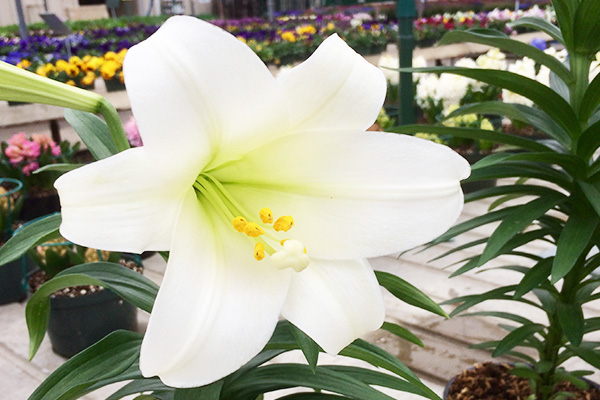
The Easter lily is one of the most recognizable flowers of the season, loved for its elegant white blooms, sweet fragrance and symbolism of hope and renewal. Whether you’re giving one as a gift or using it to decorate your home, a little care can keep it looking beautiful well beyond Easter—and even allow you to enjoy it again in your garden.
Choosing a Healthy Easter Lily
When selecting an Easter lily, look for a plant that appears full, balanced and sturdy. It shouldn’t be too tall and leggy or too short and compact. Healthy plants will have rich, dark green foliage that extends all the way down to the soil, which is a good sign of a strong root system.
For the longest indoor display, choose a plant with a mix of blooms. Ideally, it should have one or two open flowers along with several unopened buds at different stages. This way, as some blooms fade, new ones will continue to open, extending the life of the plant.
Caring for Your Lily Indoors
Easter lilies prefer a cool, comfortable environment similar to spring conditions. During the day, temperatures around 60–65°F are ideal, with slightly cooler temperatures at night. Place your plant in a bright area with indirect sunlight, avoiding strong, direct rays that can shorten the life of the blooms. It’s also important to keep the plant away from drafts, heating vents and fireplaces, as excessive heat and dry air can cause stress.
Watering should be consistent but not excessive. The soil should be kept moderately moist, so water when the top feels dry to the touch. Be careful not to let the plant sit in standing water, especially if it’s wrapped in decorative foil. A good habit is to take the plant to the sink, water it thoroughly until water drains out the bottom and then allow it to fully drain before placing it back.
As the flowers mature, a bit of simple maintenance will keep your plant looking its best. Removing the yellow anthers—the pollen-covered parts inside the blooms—can help extend the life of the flowers and prevent pollen from staining the petals. When a flower begins to fade, trimming it off will help the plant direct its energy to the remaining buds. If your home is particularly dry, placing the pot on a tray of pebbles with a little water can help increase humidity around the plant.
What to Do After Blooming
Once your Easter lily has finished blooming indoors, it doesn’t have to be discarded. While it’s difficult to get it to bloom again inside, it can be successfully grown outdoors.
Keep the plant in a sunny indoor location until the danger of frost has passed. Then, usually sometime after mid-May, it can be moved outside to begin its transition into the garden.
Planting Easter Lilies Outdoors
Easter lilies can become a lasting part of your landscape when planted in the right conditions. Choose a sunny location with well-drained soil, as good drainage is essential for healthy growth. When planting, gently loosen the root ball to help the roots spread more easily in the soil. The bulb should be set slightly deeper than it was in the pot, with the top sitting about three inches below the soil surface.
After planting, water thoroughly to help the roots settle in and apply a layer of mulch to retain moisture and regulate soil temperature. Over the growing season, feeding the plant with a balanced fertilizer will support healthy growth.
In some cases, your lily may produce blooms later in the summer, but more often, it will establish itself and return the following year with blooms in early summer, typically around June or July.
Winter Care
Although Easter lilies are considered hardy, they can be vulnerable to harsh winter conditions. To protect them, apply a thick layer of mulch in the fall using materials like straw, leaves or pine needles. This helps insulate the soil and protect the bulb from extreme temperature swings.
When spring arrives, remove the mulch to allow new growth to emerge and consider applying fertilizer to give the plant a strong start for the season.
A Note About Pets
It’s important to be aware that Easter lilies are highly toxic to pets, especially cats. Even small amounts can cause serious health issues. If you have pets at home, be sure to keep lilies out of reach or consider choosing a pet-safe alternative.
Easter lilies offer more than just short-term beauty. With proper care, they can brighten your home for weeks and later become a lasting part of your garden. Taking a little extra time to care for them means you’ll be rewarded with their signature blooms and fragrance long after the holiday has passed.