
Growing Cold Crops
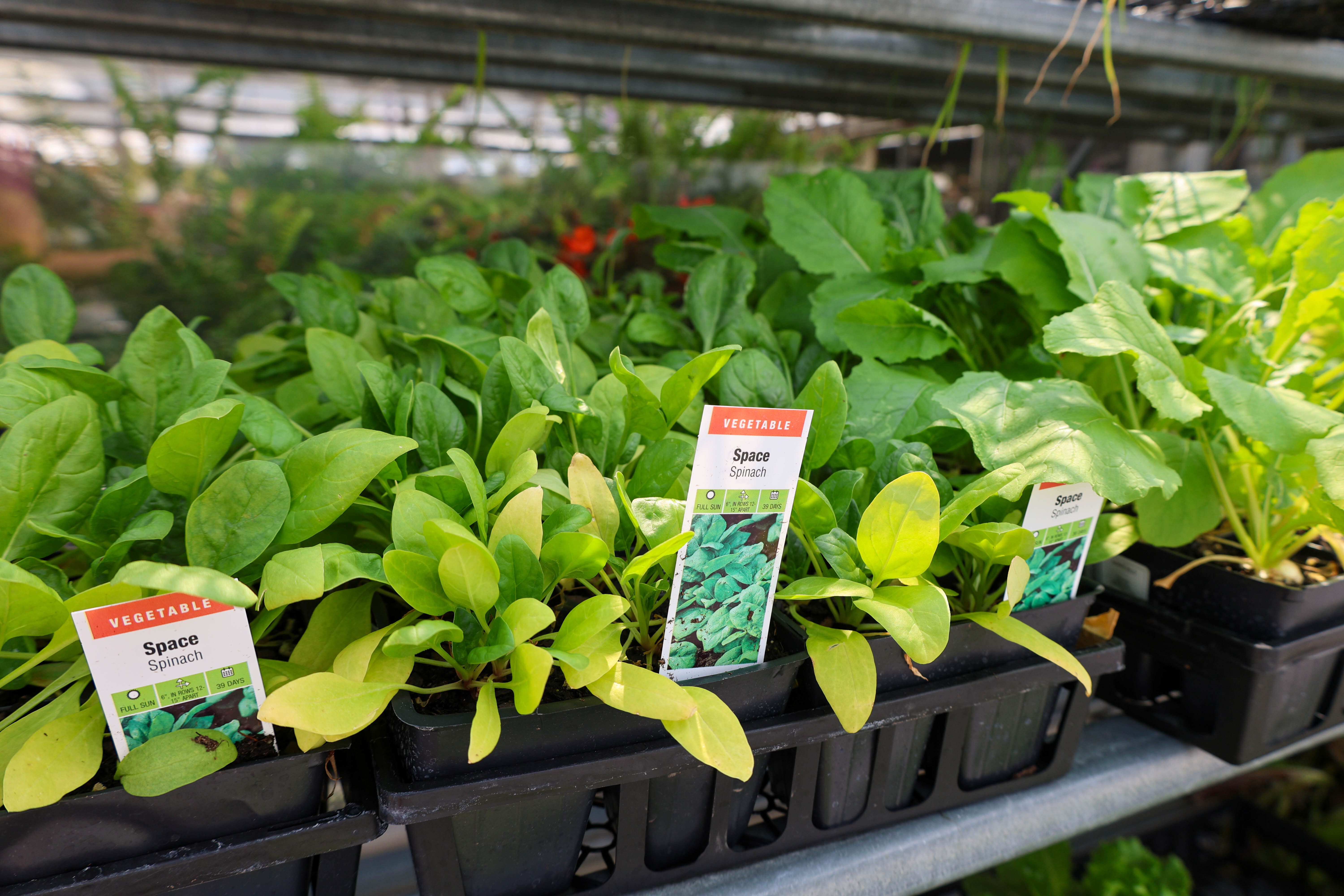
When the temperatures start to cool down, your vegetable garden doesn't have to take a break!
Cold crops are vegetables that grow best in the cooler temperatures of spring and fall. Many can tolerate light frosts and some can even become sweeter after exposure to cool weather. With the right timing and a little care, you can enjoy fresh vegetables well beyond the traditional summer growing season.
What Are Cold Crops?
Cold crops are vegetables that prefer cool growing conditions rather than the heat of summer. Most cool-season vegetables grow best when daytime temperatures are roughly 50–70°F.
Some cold crops can handle a light frost, while others can tolerate much colder temperatures once established. This makes them excellent choices for early spring and fall gardens.
Cold Crop Vegetables to Grow
There are plenty of vegetables that thrive in cool weather, including:
- Broccoli
- Cabbage
- Cauliflower
- Kale
- Lettuce
- Spinach
- Beets
- Radishes
- Turnips
- Leeks
- Brussels sprouts
- Carrots
- Peas
- Swiss chard
- Arugula
- Mustard greens
- Collard greens
- Kohlrabi
- Bok choy
- Onions
- Parsnips
- Rutabagas
Some herbs, such as cilantro and parsley, also perform particularly well during the cooler months.
When Should You Plant Cold Crops?
One of the biggest advantages of cold crops is that you can grow them during the shoulder seasons (early spring and fall), when summer vegetables aren't at their best.
Fall Planting
Fall is an excellent time to grow cold crops. In many cases, you can plant a second crop in midsummer for a fall harvest.
The challenge with fall planting is that you need to work backward from your area's first expected frost date. Check the number of days to maturity listed on your seed packet or plant tag and give your crops enough time to mature before consistently freezing temperatures arrive.
Fall planting also has an advantage: as temperatures cool, many vegetables become sweeter and more flavorful.
Spring Planting
For a spring garden, many cold crops can be planted as soon as the soil can be worked and temperatures are consistently cool. Depending on the vegetable, this can be several weeks before the last spring frost.
Broccoli, cabbage, cauliflower, kale, lettuce, spinach, peas and radishes are all good options for getting your garden started early.
Keep in mind that warm weather can cause some cool-season crops, particularly lettuce and spinach, to bolt. Bolting occurs when a plant produces a flower stalk and shifts its energy toward seed production. Once this happens, the leaves can become bitter or tough.
Choose the Right Location
Most cold crops grow best in full sun, meaning they should receive at least 6 hours of direct sunlight each day.
Choose a location with:
- Plenty of sunlight
- Well-draining soil
- Good air circulation
- Easy access to water
Since cool-season vegetables are often grown in spring and fall, pay attention to the amount of sunlight your garden receives during those seasons. A spot that gets plenty of sun in summer may receive more shade once nearby trees are fully leafed out, or vice versa.
Prepare Your Soil
Healthy soil is the foundation of a productive vegetable garden.
Before planting, loosen the soil and remove rocks, weeds and old plant debris. Adding compost or other organic matter can help improve soil structure, drainage and nutrient availability.
Avoid planting vegetables in compacted soil. Cold crops need room for their roots to grow, and good drainage is especially important during cool, wet spring and fall weather.
Watering Cold Crops
Cold crops need consistent moisture throughout the growing season, but they don't want to sit in soggy soil.
Aim to keep the soil evenly moist, especially while young plants are becoming established. Check the soil regularly and water when the top inch or so begins to dry.
Morning is the best time to water. It gives foliage time to dry throughout the day and reduces the amount of moisture sitting on leaves overnight.
As temperatures cool in fall, your plants may not need water as frequently as they did during the heat of summer. Always check the soil rather than watering on a schedule.
Don't Forget to Fertilize
Vegetables are heavy feeders, so providing adequate nutrients can help encourage strong growth and a productive harvest.
Start with nutrient-rich soil, then fertilize according to the needs of the specific crop you're growing. A balanced vegetable fertilizer can be useful throughout the growing season, but always follow the product's application instructions.
Protect Plants From Frost
One of the great things about cold crops is their ability to tolerate cooler temperatures, but that doesn't mean every vegetable can withstand a hard freeze.
When a frost or freeze is expected, protect young plants with:
- Frost cloth or row covers
- Cold frames
- Low tunnels
- A greenhouse or other protected growing area
Avoid letting plastic touch plant foliage, as this can cause cold damage. Remove covers once temperatures rise to prevent plants from overheating.
Established crops such as kale, spinach, carrots and some other cold-hardy vegetables can tolerate surprisingly low temperatures, especially when protected with a layer of mulch.
Add Mulch
A layer of organic mulch can be especially helpful for fall and winter gardens.
Apply a few inches of mulch around plants, keeping it slightly away from the stems. Mulch helps regulate soil temperature, retain moisture, suppress weeds and protect roots when temperatures fluctuate.
Straw, shredded leaves and other organic materials can make excellent garden mulch.
Harvesting Cold Crops
One of the best parts of growing cold crops is that many can be harvested over an extended period.
Leafy greens such as kale, lettuce, spinach and Swiss chard can often be harvested a few leaves at a time, allowing the plant to continue producing.
Radishes and turnips are generally harvested once their roots reach the desired size, while broccoli and cauliflower should be harvested when their heads are firm and before they begin to flower.
For the best flavor and texture, harvest vegetables during the cooler parts of the day when possible.
When the summer heat fades, don't put your gardening gloves away just yet, there's still plenty to grow!
Stop by Esbenshade's Garden Centers for vegetable plants, seeds, soil, fertilizer and everything else you need to keep your garden growing through the cooler seasons.