
Hardening Off Plants
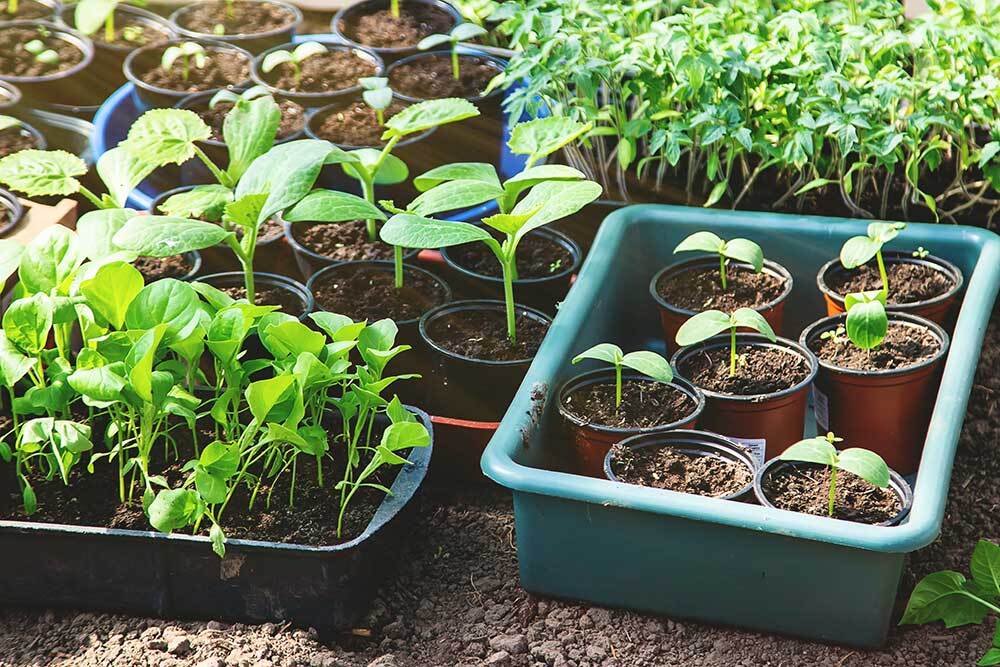
Hardening Off Plants: Preparing Seedlings for Outdoor Success
Starting plants indoors or in a greenhouse gives them a strong early start, but moving them directly outside can cause stress or even plant loss. Hardening off is an important step that helps young plants adjust gradually to outdoor growing conditions.
Taking a little extra time before planting can make a big difference in long-term performance.
What Does “Hardening Off” Mean?
Hardening off is the process of slowly acclimating plants grown in protected environments to outdoor conditions such as sunlight, wind, cooler temperatures and fluctuating humidity.
Indoor-grown plants are accustomed to stable conditions. Gradual exposure allows plants to strengthen their leaves and stems so they can handle life outdoors without shock.
Without this transition, plants could experience transplant shock, slowed growth, leaf burn or wilting.
Why It Matters
Young plants raised indoors or in greenhouses are often softer and more delicate than outdoor-grown plants. Sudden exposure to intense sunlight, wind or temperature swings can stress them quickly.
Hardening off helps plants:
- Develop thicker, stronger leaves
- Improve resistance to wind and temperature changes
- Reduce transplant shock
- Establish faster after planting
The gradual exposure encourages sturdier growth and better overall performance once plants are in the garden.
When to Start Hardening Off
Begin hardening off 1–2 weeks before planting outdoors, ideally after the danger of frost has passed or when planting time is approaching.
Seedlings should be:
- Well-rooted
- Healthy and actively growing
- Producing several sets of true leaves
Weather conditions matter, so avoid starting the process during extreme cold, heavy rain or strong winds.
How to Harden Off Plants
Hardening off is simple and only requires a gradual routine over several days.
Step-by-Step Method
Day 1–2:
Place plants outdoors in a sheltered, shaded location for 1–2 hours, then bring them back inside.
Day 3–5:
Increase outdoor time daily and introduce gentle morning sun while still protecting from wind.
Day 6–10:
Allow longer exposure to sunlight and outdoor conditions. Plants can remain outside most of the day if temperatures are mild.
Final Days:
Leave plants outdoors overnight once temperatures remain safely above freezing and conditions are stable.
This gradual increase allows plants to adapt naturally to sunlight intensity and environmental stress.
Helpful Hardening-Off Tips
- Water plants before placing them outdoors to prevent stress.
- Choose calm, overcast days when possible for early exposure.
- Keep plants protected from strong wind and heavy rain at first.
- Monitor soil moisture because containers dry faster outside.
- If plants wilt or show stress, reduce exposure and slow the process.
Cold frames, covered porches or protected patios are excellent transitional spaces during hardening off.
What Happens If You Skip Hardening Off?
Plants moved directly outdoors often survive, but growth may slow while they recover from shock. In severe cases, leaves can scorch, stems weaken or plants may fail altogether.
Hardening off helps prevent these setbacks and gives plants the best chance to thrive from the start.
A Strong Start Leads to Strong Growth
Hardening off may seem like an extra step, but it’s one of the easiest ways to improve gardening success. By gradually introducing seedlings to outdoor conditions, you help them transition smoothly from protected growing spaces into the garden.
A week or two of preparation now leads to healthier plants, faster establishment and a more productive growing season.
*Information sourced from Gardeningetc, The Old Farmer's Almanac & Royal Horticultural Society.*