
Herbs Indoors
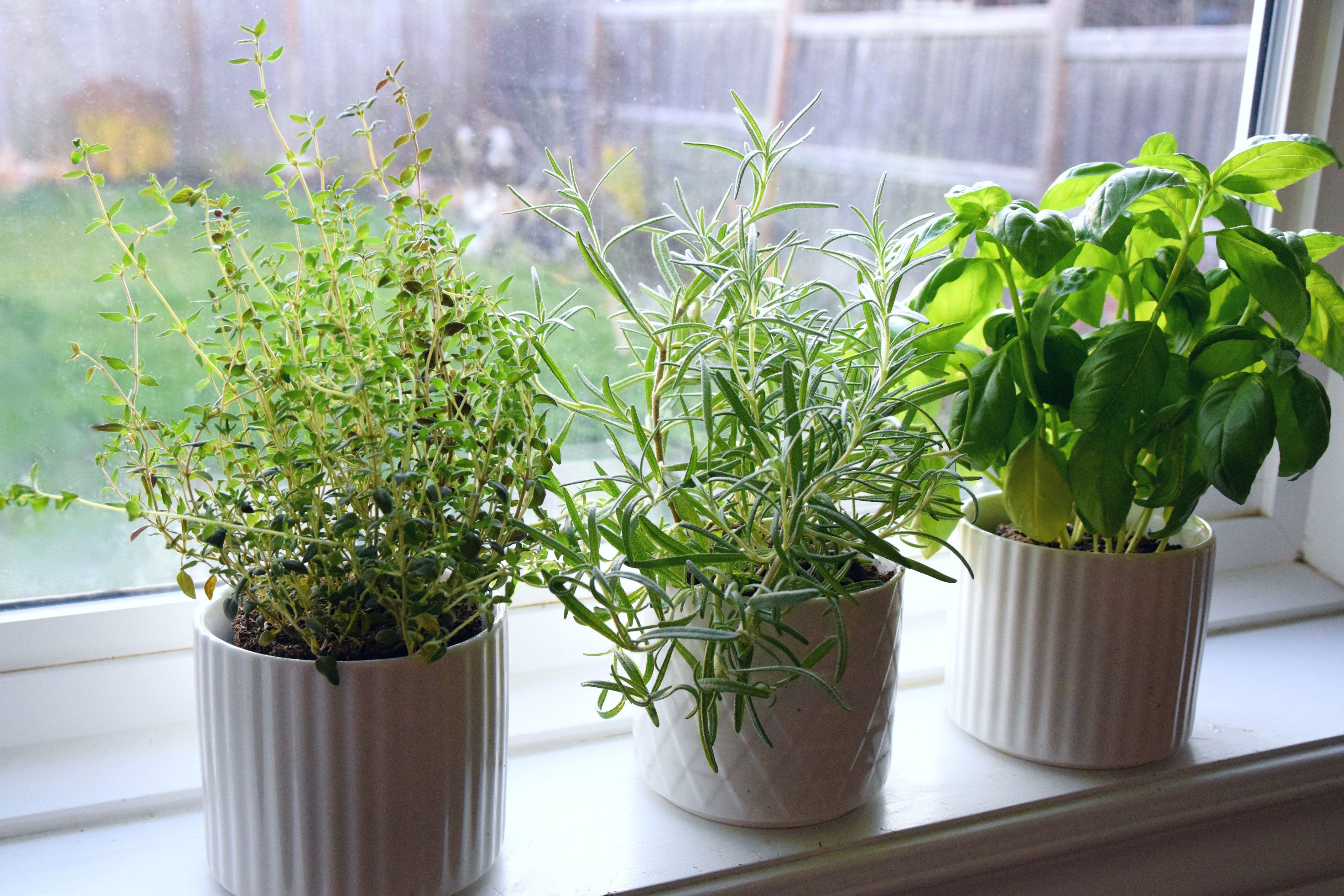
Growing herbs indoors during winter keeps fresh flavor within reach for salads, stir fries, soups and sauces. As a bonus, fragrant herbs like rosemary, scented geraniums, mints, lavender and lemon verbena make your home smell amazing during the holidays.
You can start from seed, purchase young plants or transplant herbs from your outdoor garden before frost. With the right care, they’ll thrive inside.
Give Them Enough Light
Light is the biggest challenge when growing herbs indoors. Outdoors, most herbs need about five hours of direct sun daily, ideally from a southern exposure.
Indoors, winter light is much weaker. A grow light is usually necessary:
- Keep lights on 12–16 hours per day.
- Position cool white bulbs 6–8 inches above plants.
- If you don’t have natural sunlight, rely fully on grow lights for best results.
Adequate light keeps plants compact, bushy and productive instead of tall and leggy.
Keep Temperatures Comfortable
Most herbs prefer cooler conditions:
- Daytime: around 65–70°F
- Nighttime: 55–60°F
They can tolerate cooler temperatures, but basil and scented geraniums may suffer below 50°F. Also, avoid letting foliage touch cold window glass as it can freeze and die. A simple barrier, like a sheet of paper, can help protect leaves.
Maintain Air Circulation
Herbs dislike stagnant air. Good air movement helps prevent disease and encourages steady growth.
Open a nearby window slightly for gentle circulation, but avoid cold drafts directly on the plants. If starting seeds, a seedling heat mat can help keep soil warm and promote strong root development.
Use the Right Soil and Containers
Healthy roots need oxygen, moisture and nutrients. Choose a high-quality, well-draining potting mix, never garden soil.
Select containers based on growth habit:
- 4–6 inch pots work for most herbs.
- Wide, shallow pots suit spreading herbs like mint.
- Deeper pots are better for parsley and other tap-rooted herbs.
Always use pots with drainage holes to prevent soggy roots.
Fertilize Lightly
Indoor herbs need occasional feeding, but too much fertilizer can reduce flavor and cause weak, leggy growth.
Feed once a month at half the recommended strength. This keeps plants productive without sacrificing taste.
With proper light, cool temperatures, good airflow and well-draining soil, you can enjoy fresh, fragrant herbs all winter long right from your windowsill.