
Irises
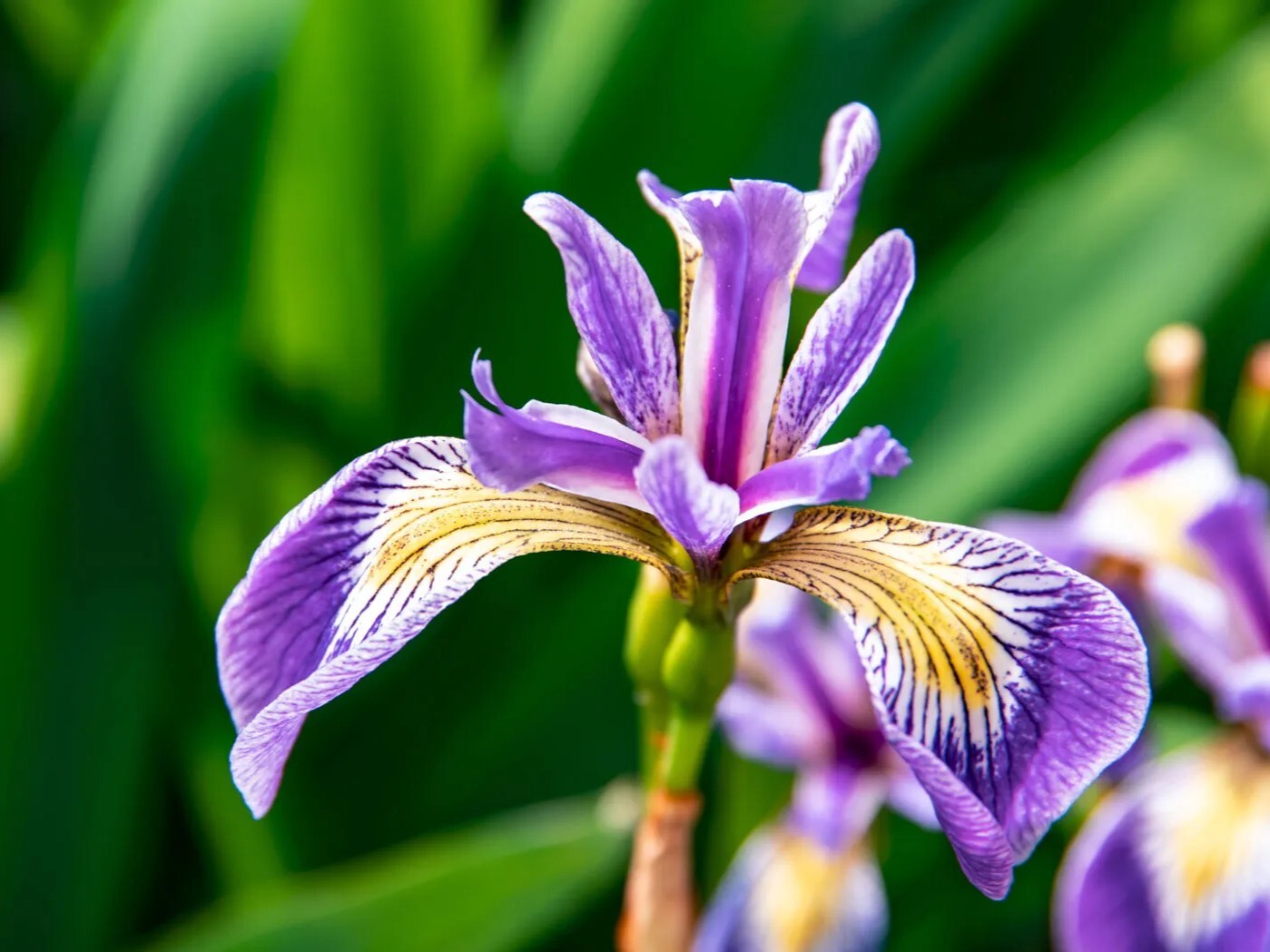
When to Plant or Move Iris
Plant iris rhizomes soon after receiving them, ideally within one to two weeks. Iris can be transplanted anytime with care, but the best time is shortly after they finish blooming and before new growth begins.
Where to Plant Iris
Bearded irises grow best in sunny locations with well-drained soil. They prefer at least six hours of sunlight daily and soil with a near-neutral pH. Good drainage is especially important, since iris do not tolerate wet or soggy soil.
How to Plant Iris
Before planting, soak the rhizomes in water for a few hours. Dig a hole about six inches deep and create a small mound of soil in the center. Place the rhizome on top of the mound with the roots spread out, then lightly cover it with soil. The top of the rhizome should be just at or slightly above soil level. Water thoroughly after planting, then only during extended dry periods.
Avoid mulching directly over rhizomes and do not pile compost or manure around them.
Feeding and General Care
Bearded irises are light feeders. Apply a small amount of balanced fertilizer each spring as growth begins. Remove faded flowers and spent bloom stalks, but allow healthy green leaves to remain so the plant can store energy for future blooms.
Dividing Iris
Iris clumps should be divided every three to four years when they become crowded. Dig up the clump when it is not blooming, trim leaves back to about six inches, and separate healthy rhizomes with new growth. Replant them promptly in prepared soil.
With plenty of sunlight, proper drainage, and occasional dividing, bearded irises can provide colorful, reliable blooms for many years.