
Mulching Benefits
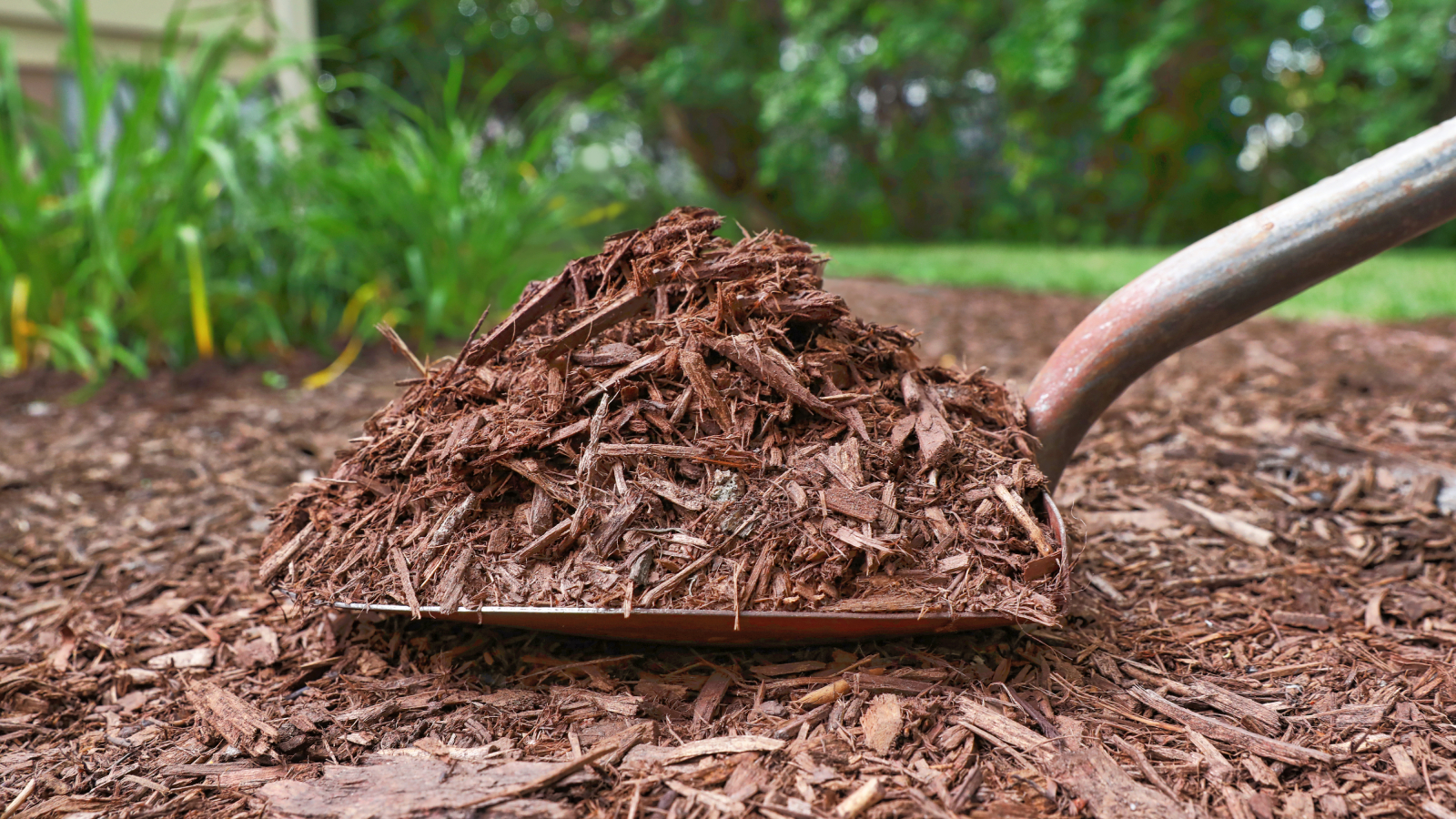
Mulching 101: Why It Matters and How to Do It Right
Mulch might seem like a simple finishing touch, but it plays a big role in keeping your plants healthy and your garden looking its best. Whether you’re planting something new or maintaining an established landscape, understanding how to mulch properly can make all the difference.
What Is Mulch?
Mulch is any material spread over the soil surface to act as a protective covering. Organic mulches, like bark, leaves, or straw, do even more by improving the soil as they break down and add nutrients over time.
Why Mulching Is Important
When applied correctly, mulch provides a wide range of benefits for your plants and soil:
- Helps retain moisture by reducing evaporation
- Suppresses weed growth
- Regulates soil temperature, keeping it cooler in summer and warmer in winter
- Prevents soil erosion and compaction during heavy rain
- Reduces soil splashing, which can spread disease
- Improves water absorption into the soil
- Protects tree trunks and plants from lawn equipment damage
- Enhances the overall look of your landscape
Mulch also encourages plants to develop additional roots near the surface, leading to stronger, healthier growth.
When to Apply Mulch
Timing matters when it comes to mulching:
- New plantings: Apply mulch right after planting to help retain moisture and reduce stress
- Established plants: Early spring is ideal, as plants begin to grow and before weeds start to germinate
- Existing mulch beds: If you already have a good layer, simply refresh with ½” to 1” of new mulch
How Much Mulch Should You Use?
For best results, apply a layer about 2 to 3 inches thick in areas that haven’t been mulched before.
Be careful not to overdo it. Mulch that is too deep can trap excess moisture and limit oxygen flow to the roots, which can harm your plants.
Mulching Tips for Success
A few simple steps can help you get the most out of your mulch:
- Always remove weeds before applying mulch
- Keep mulch a few inches away from tree trunks and plant stems
- Avoid piling mulch too high, which can lead to disease and pest issues
- Aim for an even, consistent layer for the best appearance and performance
Choosing the Right Mulch
Different types of mulch work best for different areas of your garden:
- Straw: Ideal for vegetable gardens and newly seeded lawns; improves soil as it breaks down
- Leaves: Great for weed control; shred them to keep them in place and allow water through
- Pine bark: Attractive and effective for weed suppression
- Pine needles: Perfect for acid-loving plants and allow water to pass through easily
- Shredded hardwood: Long-lasting, resists washing away, and provides excellent weed control
Mulch Through the Seasons
Mulch works year-round to protect your plants:
- Spring & Fall: Helps maintain even soil temperatures by holding heat during the day and releasing it at night
- Summer: Keeps soil cooler by blocking direct sunlight
- Winter: Acts as a buffer against temperature swings, reducing stress from freezing and thawing cycles
Adding mulch is one of the easiest ways to improve plant health, reduce maintenance, and enhance the look of your landscape. With the right timing, depth, and material, mulch can give your garden the strong foundation it needs to thrive all season long.