
Peppers
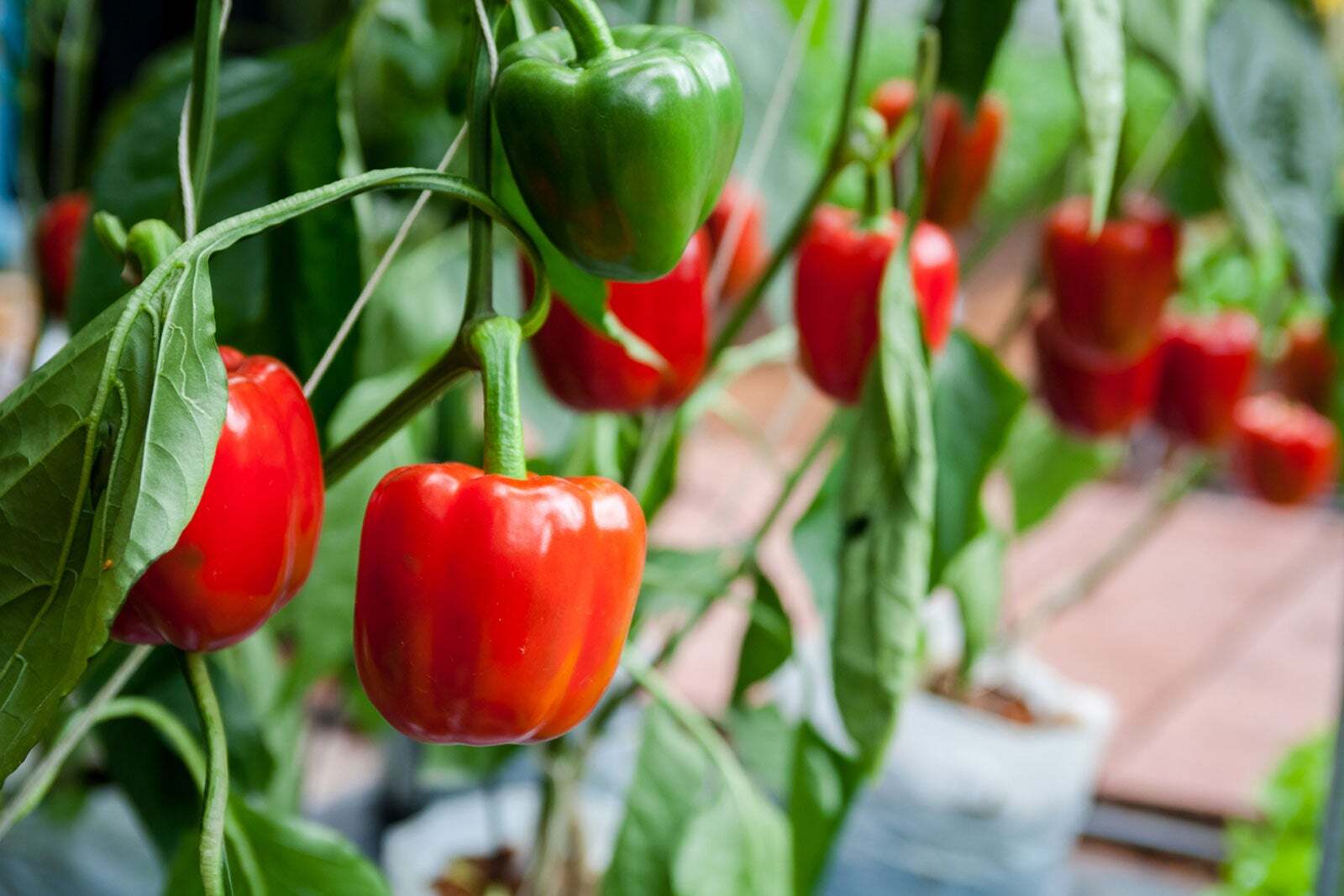
Growing Peppers
Peppers are one of the easiest vegetables to grow in your garden. With full sun, well-draining soil rich in organic matter, and a little care, you can enjoy a colorful harvest of sweet or hot peppers all season long.
Planting Peppers
- Space plants 12–18 inches apart to give them room to grow.
- Sweet peppers typically mature in 60–90 days, while hot peppers may take up to 150 days.
- Work organic matter into the soil before planting to improve moisture retention and drainage.
Watering
Peppers need consistent moisture but cannot tolerate soggy soil. Mulch around the plants to reduce evaporation and keep the soil evenly moist throughout dry summer months.
Fertilizing
Peppers are light feeders. Avoid overfertilizing, which encourages lots of leaves but fewer fruits. Organic options, like Espoma Garden Food, work well to keep plants healthy and productive.
Supporting Your Plants
As peppers grow, the weight of the fruit can strain stems. Support plants with stakes or cages. Use stretchy materials like old nylons or soft twine that can expand as the plant grows—avoid rigid ties that can choke or break stems.
Pests and Diseases
Peppers are generally low-maintenance, but they can occasionally be affected by pests that target tomatoes. Prevent problems with organic pesticides containing Pyrethrins or Rotenone, such as Bonide Tomato and Vegetable Spray.
Harvesting Peppers
- Peppers can be harvested at any stage, but flavor is best when fully mature: green for early harvests, red, orange, or yellow for fully developed sweetness.
- Picking peppers early increases yield but reduces flavor.
- A smart strategy is to plant two of each variety: one for early harvesting and one for full maturity, giving you both quantity and flavor.
Freezing Peppers
Freezing is a simple way to preserve your harvest. Peppers may soften when thawed, but they remain perfect for soups, stews, casseroles, or stuffed dishes, making mealtime quick and easy.
With just a bit of planning and care, your pepper plants can provide a colorful and flavorful addition to your garden and your table all season long.