
Petunias
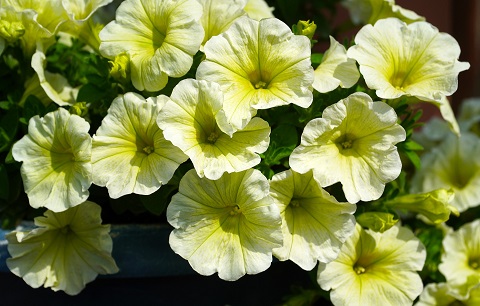
How to Grow Petunias All Season Long
Petunias are one of the most popular annual flowers and for good reason!
They’re colorful, versatile and surprisingly easy to grow. Whether you’re planting them in garden beds, hanging baskets, window boxes or containers, petunias reward you with months of bright blooms.
Choosing the Right Location
Petunias perform best in full sun, which means at least 6 hours of direct sunlight per day. While they can grow in part shade, you’ll notice fewer flowers and more stretching as the plants reach for light.
In very hot regions, some midday or afternoon shade can actually help protect plants from intense heat and sun stress.
For window boxes, keep in mind that overhanging eaves may provide shade and shelter from rain, but they can also block rainfall entirely, meaning you’ll need to stay on top of watering.
Wave and spreading petunias also thrive in full sun and are especially heat tolerant once established.
Preparing the Soil
Petunias are adaptable and can grow in rocky, sandy or clay soils, but they truly shine in light, rich, well-draining soil. Before planting, amend garden beds with compost, peat moss or a soil conditioner like Bumper Crop. Mixing in a 1-2 inch layer improves drainage, moisture retention and nutrient availability.
Always plant petunias outdoors after the soil has warmed, typically around the same time you’d plant impatiens or peppers.
For containers and window boxes, use a commercial soilless potting mix, which is lighter and drains more effectively than garden soil.
Planting Petunias
When selecting plants, look for healthy growth with both buds and open blooms. This ensures strong performance once planted.
- Plant petunias at the same depth they were growing in their nursery pots.
- The best time to plant is on a cloudy, calm day, which reduces transplant stress.
- Gently firm soil around roots to eliminate air pockets.
Spacing matters, especially for spreading varieties:
- Multiflora, grandiflora and floribunda: about 10 inches apart
- Spreading/Wave® petunias: 15–20 inches apart
- Milliflora: 6–10 inches apart
In containers, plants are often spaced closer together for a fuller look. For Wave® petunias, one to three plants in a 10-inch or larger container creates a lush, overflowing display.
Adding a light layer of mulch around garden plants helps retain moisture, suppress weeds and keep mud from splashing onto blooms. This is especially helpful for double-flowered varieties.
Watering Needs
Petunias are fairly drought tolerant once established, but consistent watering is key to continuous blooming.
- Keep soil evenly moist, not soggy.
- Containers dry out faster than garden beds and may need daily watering in hot weather.
- Water at the base of the plant rather than overhead to prevent leaf scorch.
- Morning watering is best so foliage can dry before afternoon heat.
Feeding for Continuous Blooms
Petunias are heavy feeders so regular fertilizing keeps them flowering strong all season.
- Use a balanced fertilizer monthly for most varieties.
- Double-flowered petunias benefit from feeding every 2–3 weeks.
- Wave® petunias perform best with weekly feeding.
- Containers and hanging baskets may require fertilizing every 10–14 days or even twice a week during peak summer heat.
A fertilizer like Jack’s Classic Petunia Plant Food is ideal, as it’s specially formulated for iron-loving plants and feeds through both roots and leaves.
If plants begin to look pale, stringy or slow to bloom, a boost of fertilizer usually brings new growth within two weeks.
Pruning and Maintenance
By midsummer, many petunias develop long stems with flowers only at the tips. Don’t be afraid to cut plants back; this encourages fresh growth and a new wave of blooms.
- Trim back leggy plants by several inches and follow up with fertilizer.
- Milliflora and trailing petunias, including most Wave® types, usually do not require pruning or deadheading.
- Faded blooms drop off naturally, making these varieties especially low-maintenance.
Heat, Weather and Pests
Petunias become more heat tolerant as they establish, so planting earlier in the season helps them handle summer temperatures better.
If insects become an issue, use a garden pesticide labeled for flowering plants and always follow label instructions.
Black, unmoving spots on leaves are often a sign of seed formation, not pests. This is common in hot weather and usually means the plant needs more frequent fertilizing to keep blooming.
Understanding Petunia Types
Petunias belong to the nightshade family (Solanaceae), alongside tomatoes and peppers. While most types can be used interchangeably, some are better suited for certain uses.
- Multiflora: Extremely weather tolerant and great for mass plantings
- Grandiflora: Large, showy blooms ideal for containers and displays
- Floribunda: Combines large flowers with excellent durability
- Spreading/Wave®: Low-growing, heat tolerant, perfect for ground cover and baskets
- Milliflora: Petite, early blooming and very low maintenance
Many petunias also have a light, sweet fragrance.
With the right sun, soil, water and nutrition, petunias are one of the easiest ways to fill your garden with nonstop color from spring through frost.