
Purple Fountain Grass
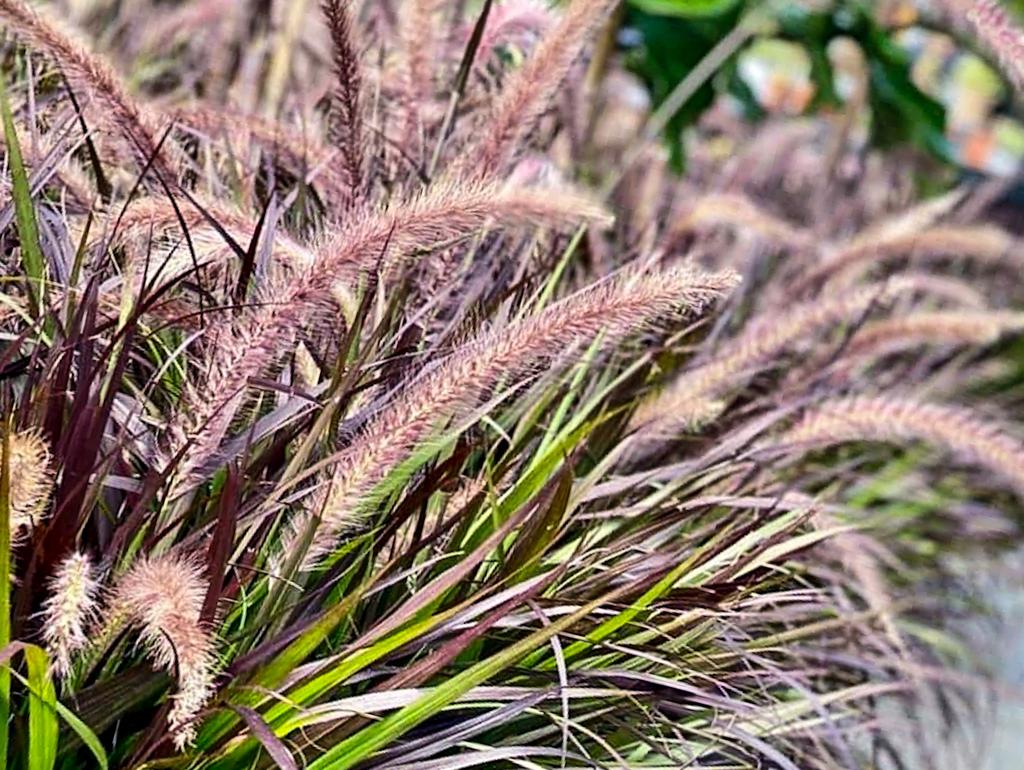
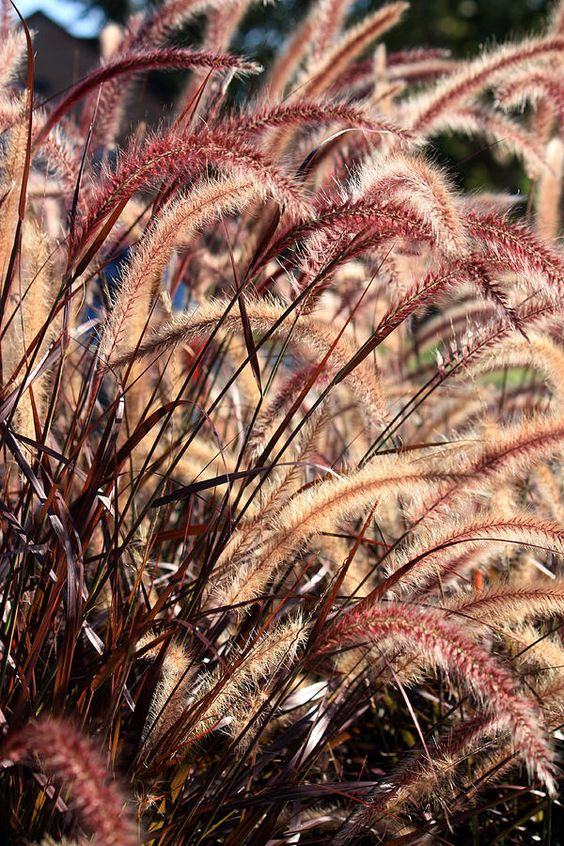
An eye-catching fall favorite and a top pick for grass lovers and plant enthusiasts alike, Pennisetum setaceum ‘Rubrum,’ commonly known as Red or Purple Fountain Grass, is a must-have for the autumn landscape.
With its rich color, flowing texture and graceful movement in the breeze, this ornamental grass adds instant beauty to garden beds, containers and porch displays.
One of the many reasons Purple Fountain Grass is so popular is how easy it is to grow. It’s non-invasive, deer resistant and delivers the perfect fall color. As the plant matures, it grows fluffy, burgundy plumes that rise above the foliage. Its name comes from Latin roots meaning feather, bristle and red; a perfect description of its feathery red plumes!
Annual Beauty with Perennial Appeal
In most growing zones, Purple Fountain Grass is treated as a long-lasting annual, providing beauty from planting time until the first hard frost. While the broader Pennisetum family includes many hardy perennial varieties, ‘Rubrum’ stands out for its uniquely bold red color.
Although many gardeners choose to replace it each year, Purple Fountain Grass can be overwintered indoors.
Mature plants can reach up to 4 feet tall and wide, which can make overwintering a challenge. A simple solution is to cut the plant back to just a few inches above the soil before bringing it indoors. Place it in a sunny window where it can receive at least six hours of direct sunlight, then replant outdoors in late spring after the risk of frost has passed.
Growing and Care Tips
Purple Fountain Grass thrives in full sun. At least six hours of direct sunlight each day will produce the strongest growth and the deepest red color. While the plant can tolerate some shade, too little sun may cause the foliage to fade.
Water regularly until the plant is well established. Once settled, it is fairly drought tolerant, but container-grown plants will need more frequent watering since their roots have limited access to moisture. During hot, dry spells, potted grasses may need watering a few times per week.
When planting in the ground, enrich the soil with compost or an organic amendment to improve moisture retention and provide nutrients. In containers, most quality potting mixes already provide proper drainage, so additional compost is not necessary. Instead, use a balanced fertilizer—an all-purpose formula like a 20-20-20 works well to support healthy growth.
Design Ideas and Uses
Purple Fountain Grass is incredibly versatile in the landscape. It shines as a specimen plant in a large container, where its arching blades create a bold, architectural statement. It also pairs beautifully with flowering plants or other ornamental grasses, adding height, contrast and texture. Use it in mass plantings for dramatic movement, or as a soft, elegant border along garden beds.
The burgundy plumes can even be cut for use in fresh or dried floral arrangements, extending their beauty beyond the garden.
Whether you’re already a fan or just discovering this stunning grass, Purple Fountain Grass is an easy, rewarding addition to any fall display. With just a little care, it delivers season-long color, texture and movement that’s hard to beat.