
Saffron Crocus
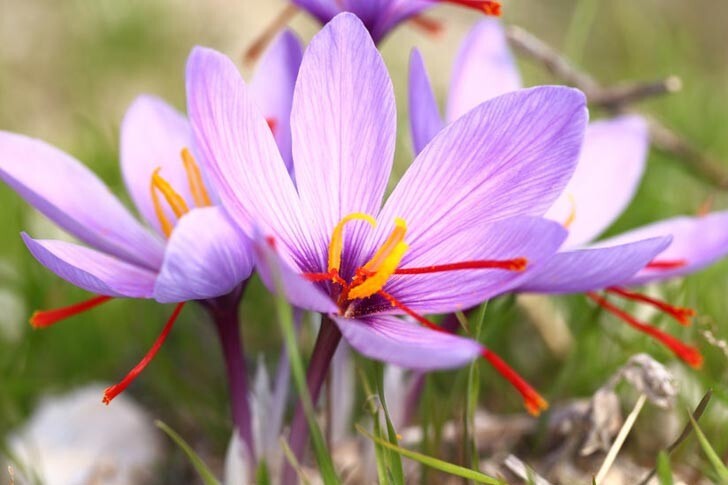
How to Grow Saffron
Add a touch of luxury to your garden and your kitchen with saffron crocus (Crocus sativus). This stunning fall-blooming flower produces the world’s most precious spice.
Planting Saffron
Saffron crocus bulbs (actually corms) should be planted in fall as soon as you get them, as they don’t store well. Within 4–6 weeks, they’ll root and get ready to bloom.
- Location: Choose a sunny, well-draining spot.
- Soil: Enrich with compost, peat moss or bark to improve drainage.
- Planting depth: 3–4" deep and 2–3" apart, with the pointed tip facing up.
- Water: Water gently after planting. Roots will form in the fall.
Come spring, the foliage will appear, then die back for summer dormancy. By the next fall, you’ll enjoy your first gorgeous blooms!
Caring for Saffron Crocus
Saffron crocus is low-maintenance and cold-hardy to about -15°F. During growth, water about 1" per week, but keep soil dry in summer. No fertilizer is necessary, though a light feeding once a year won’t hurt.
Leave the foliage intact after blooming, as it helps the corms store energy for next season. Every 4–6 years, dig up and divide your corms to keep them healthy and productive.
Harvesting the Spice
Each saffron bloom produces three red stigmas — that’s your saffron! Harvest on sunny days when blooms are fully open. Carefully pluck the stigmas, then dry them in a warm spot and store in an airtight container.
To use the spice, soak the threads in hot water, broth or milk for 15–20 minutes. Then, add it to your favorite meals!
From Garden to Gourmet
Just two dozen saffron crocus bulbs can yield enough spice for flavorful dishes like paella, risotto or Indian and Mediterranean meals. Plus, their lilac-purple blooms bring a touch of elegance to your fall garden!