
Spring Clean-Up Checklist
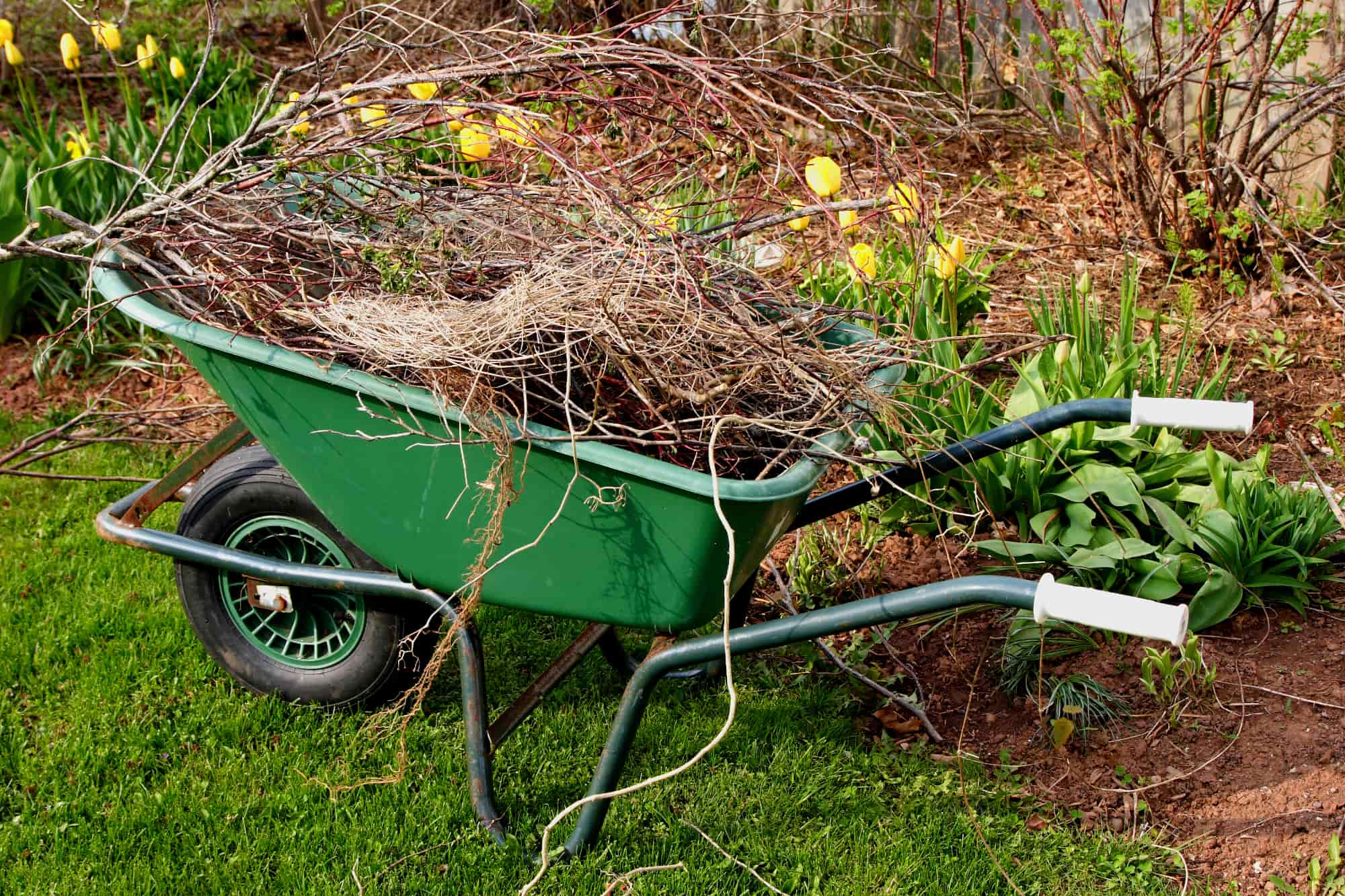
As the weather gets warmer and early-spring plants awaken, it’s an optimal time to clean up your yard and garden. Follow along with this checklist to save you from gardening headaches down the road.
Remove Debris From Lawn & Planting Beds
Whether the debris is natural or not, it’s best to remove it for a clean start in your garden. Roll up your sleeves and remove:
- Litter
- Animal waste
- Dead grass, leaves, sticks, pinecones & other plant material
- Dead leaves and stalks on perennials
Rake any leftover leaves living on your lawn. Even if you raked in the fall, there will inevitably be some stray leaves. Be sure to pick up any limbs or pinecones, too.
Raking also helps to eliminate thatch buildup on your lawn. Thatch buildup is a layer of dead and living organic matter like grass stems and roots. A little bit of buildup is normal, but excess accumulation prevents nutrients from reaching the soil.
Prepare & Plant Flower Beds
For a successful planting season, follow a few simple steps to prepare your flower beds for planting.
- Remove weeds: Pull weeds early to stop them from competing with new plants.
- Check soil condition & loosen soil: Wait until soil is dry and crumbly, then loosen it 8-12 inches deep to promote strong root growth.
- Amend the soil: Add some compost or organic matter to boost nutrients.
- Edge garden beds: Clean up edges with a spade to create a stark separation between the lawn and the garden bed.
- Mulch: Add a thin, 1-2 inch layer of fresh mulch; it helps retain moisture, suppress weeds & regulate temperature.
Pest & Weed Control
Between mid-March & early April, focus on applying pre-emergent herbicides for weeds like crabgrass. We recommend using Jonathan Green VERI-GREEN Lawn Food & Crabgrass Preventer.
For pests, we recommend:
- Mosquitoes: Remove any standing water
- Lawn Pests: Apply granular insecticides
- Ants: Use ant baits to eliminate colonies
Divide & Transplant Perennials
As new perennial growth appears, some perennials can benefit from being divided. It is best to do this when it has 1-3 inches of growth.
Early spring is perfect for dividing spring and summer-flowering perennials like hostas, daylilies, asters, ferns and ornamental grasses.
Target plants that are overcrowded or have dying parts. Dig up the entire root ball and use a spade to separate it into smaller sections. Each division should have 3-5 “eyes,” and leafy plants should have a healthy portion of roots and shoots. Replant immediately at the same depth they were previously growing at.
Clean & Sharpen Garden Tools
Give your garden tools a little TLC! Clean, sharp tools make all the difference.
- Remove dirt: Clean off dirt & debris with a wire brush.
- Remove rust: Soak metal parts in 1:1 solution of white vinegar & water for a few hours. Scrub with steel wool, then rinse.
- Disinfect: Use 70% isopropyl alcohol or 10% bleach solution to prevent spreading plant diseases.
- Sharpen: Use a sharpening stone or metal file to sharpen blades.
- Lubricate: Spray metal parts with WD-40.
Plan & Plant!
Take this time to map out your garden and choose the plants you’re excited to grow this season.
Walk around your property and note areas that could use more color, texture or coverage, keeping an eye on sunlight, spacing and overall balance.
Whether you’re planting an edible garden or filling beds with flowers, thoughtful planning now will help you make the most of your space, and set you up for a more successful season.
By taking the time to tackle these early spring tasks, you’re setting the stage for a healthier, more vibrant garden all season long. A little effort now goes a long way in preventing problems later, while giving your plants the best possible start.
You’ll be glad you put in the work so you can spend more time enjoying your garden at its best.