
- Home
- Insects
Squash Vine Borer
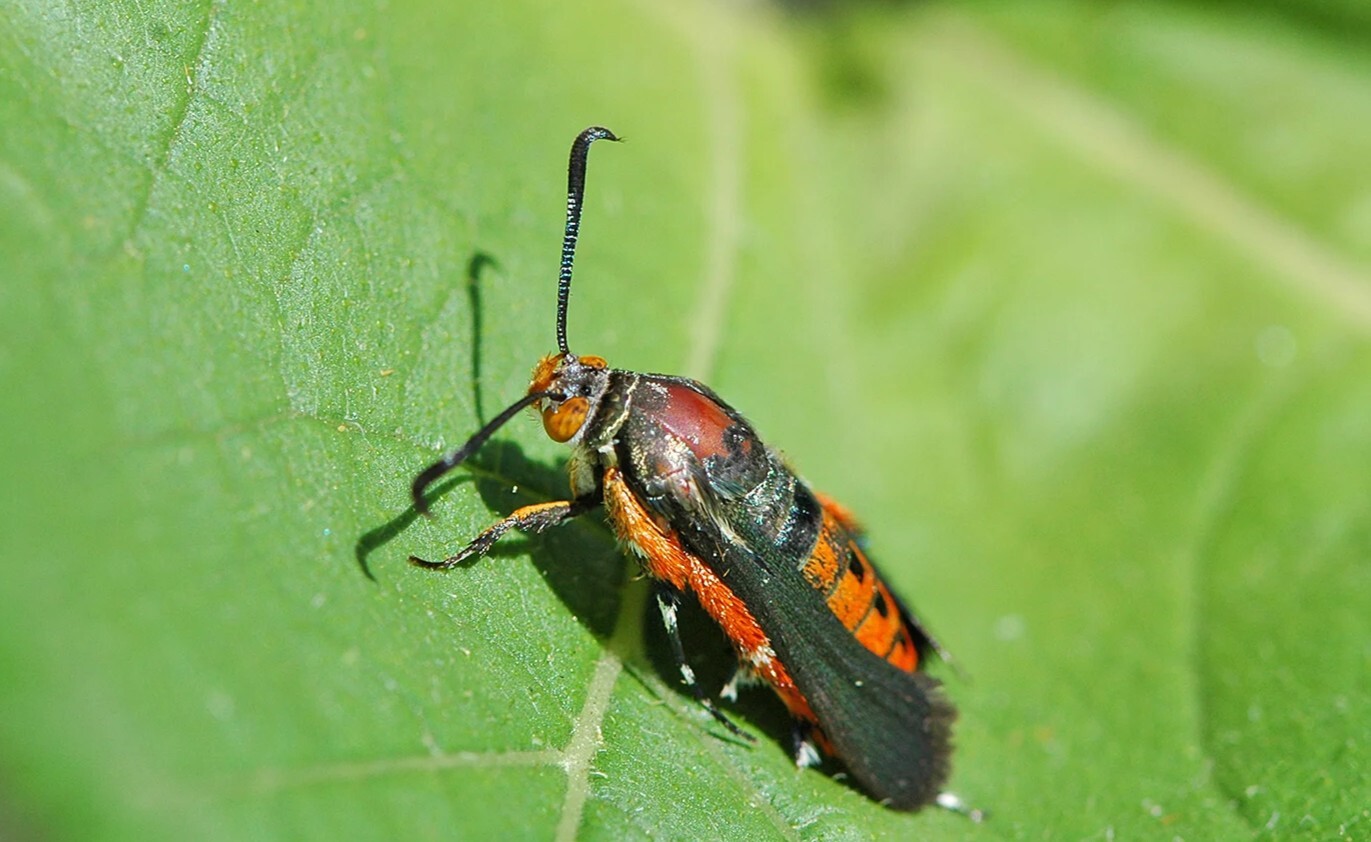
Squash Vine Borers: How to Spot and Prevent Damage
Squash vine borers are destructive pests that attack squash, gourds and some pumpkin varieties. The larvae tunnel into plant stems, cutting off water and nutrients, which often causes the plant to suddenly wilt and die.
These pests overwinter in the soil and emerge as moths in late spring or early summer to lay eggs on stems, leaves and blossoms.
The eggs appear as tiny brown disks and should be removed and destroyed when found. Signs of infestation include small holes in the stem and sawdust-like material near the base of the plant.
If caught early, you may be able to save the plant by carefully splitting the stem, removing the larvae and covering the damaged area with soil to encourage new rooting. Regular watering helps the plant recover.
Prevention is the most effective control method. Turning soil in late winter can expose overwintering pests to cold temperatures. Planting squash early in the season may help avoid peak borer activity. Companion planting with radishes can also help deter these pests. Certain squash varieties, such as butternut and green-striped cushaw, tend to be more resistant.
Organic treatments like Bacillus thuringiensis (Bt), often sold as Thuricide, can help protect plants when applied to stems and leaf undersides. Always avoid pesticides harmful to bees, which are essential for squash pollination.