
Trees for Shade, Shelter, Flowers or Fruit
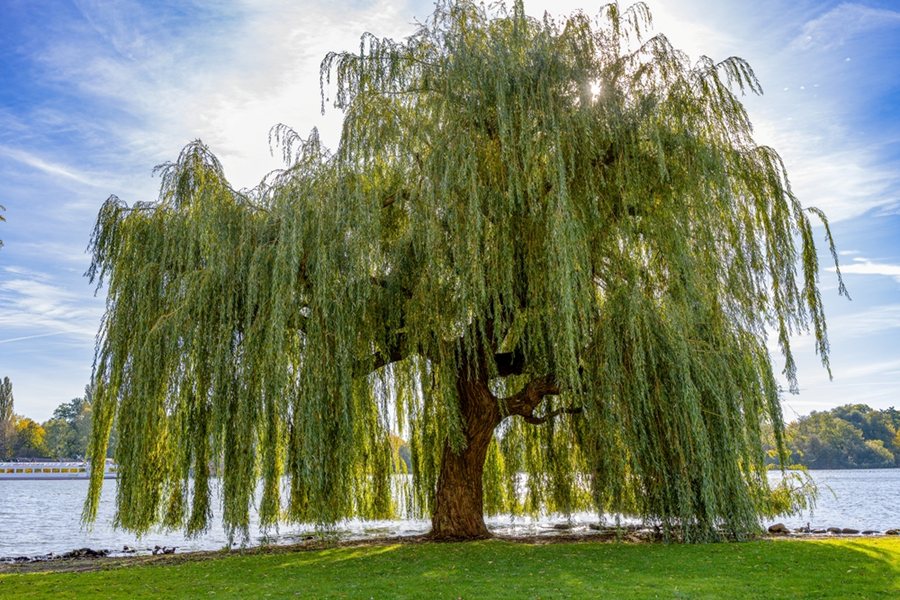
Selecting a tree for your garden is more than just picking one you like, it’s about matching the tree to the function you want it to perform.
Are you looking for shade, privacy, wind protection or just a beautiful focal point? Each tree has its own growth habits, so understanding them is key to making a choice that will work for years to come.
Consider the Tree’s Purpose
- Shade: Deciduous trees that lose their leaves in winter are perfect for summer shade. They provide relief from the sun while letting sunlight through on cold days.
- Screening or Windbreak: Evergreens are ideal for blocking unwanted views or shielding your garden from strong winds year-round.
Avoid choosing a tree based solely on nostalgia or memories. For example, you may love the idea of an elm because of happy childhood memories, but in your area, Dutch elm disease could make that choice risky.
Key Factors When Choosing a Tree
- Ultimate Size and Growth Rate
Think about how tall and wide the tree will become. Avoid the temptation to buy a fast-growing tree assuming you can “top it” if it grows too high, this often results in poor shape. - Young vs. Established Trees
Some trees grow best when planted young. Fast-growing species, in particular, may suffer if kept in a nursery too long, damaging their roots. Mature balled-and-burlapped trees or trees moved by professionals are exceptions.
Large Shade Trees
A good large shade tree should:
- Allow space for a lawn underneath.
- Produce a high canopy of foliage.
- Begin providing shade within 2–3 years of planting.
No tree is perfect. Some, like maples, may have invasive roots; others, like ginkgos, may grow slowly or irregularly. But if you have the space and patience, a single large tree can become a stunning centerpiece.
Medium and Small Shade Trees
When selecting smaller shade trees, consider:
- Litter production: How much debris will fall each year?
- Growth reliability: Will it reach its expected size without excessive pruning?
- Headroom: Can you walk under it comfortably or will you need to prune lower branches frequently?
You can guide the shape of young trees by pinching out low branch tips and removing lower branches after the tree’s head is established (usually in the third or fourth year).
Trees for Sun, Wind and Privacy
For protection or screening:
- Choose trees with low branching or weeping habits.
- A windbreak should be at least 12 feet tall and work best when it filters, rather than completely blocks, the wind.
- Plant screening trees close together for a continuous row, topping them to the desired height if needed.
- Thin dense branches to allow wind to pass and prevent breakage.
Be careful not to bury the trunk when planting—it can cause rot. Consider creating a wooden well around the trunk to allow airflow and protect the tree’s base.
Choosing the right tree is a balance of function, form and site suitability. Take your time to study each species, think about its long-term growth and match it to your garden’s needs. With the right choice, a tree can provide beauty, shade and protection for decades.