
When to Transplant Guide
There’s something satisfying about walking out to the garden with a tray of young vegetable plants and imagining the harvest to come.
Crisp lettuce, juicy tomatoes, sweet corn and sprawling pumpkins all begin with one important step: planting at the right time.
If you’ve ever wondered, “Is it too early to plant my tomatoes?” or “Can I still transplant broccoli in August?” you’re not alone! Timing is one of the most important factors in gardening success.
Our transplanting guide is designed specifically to help gardeners know when to plant vegetable and fruit starts throughout the growing season.
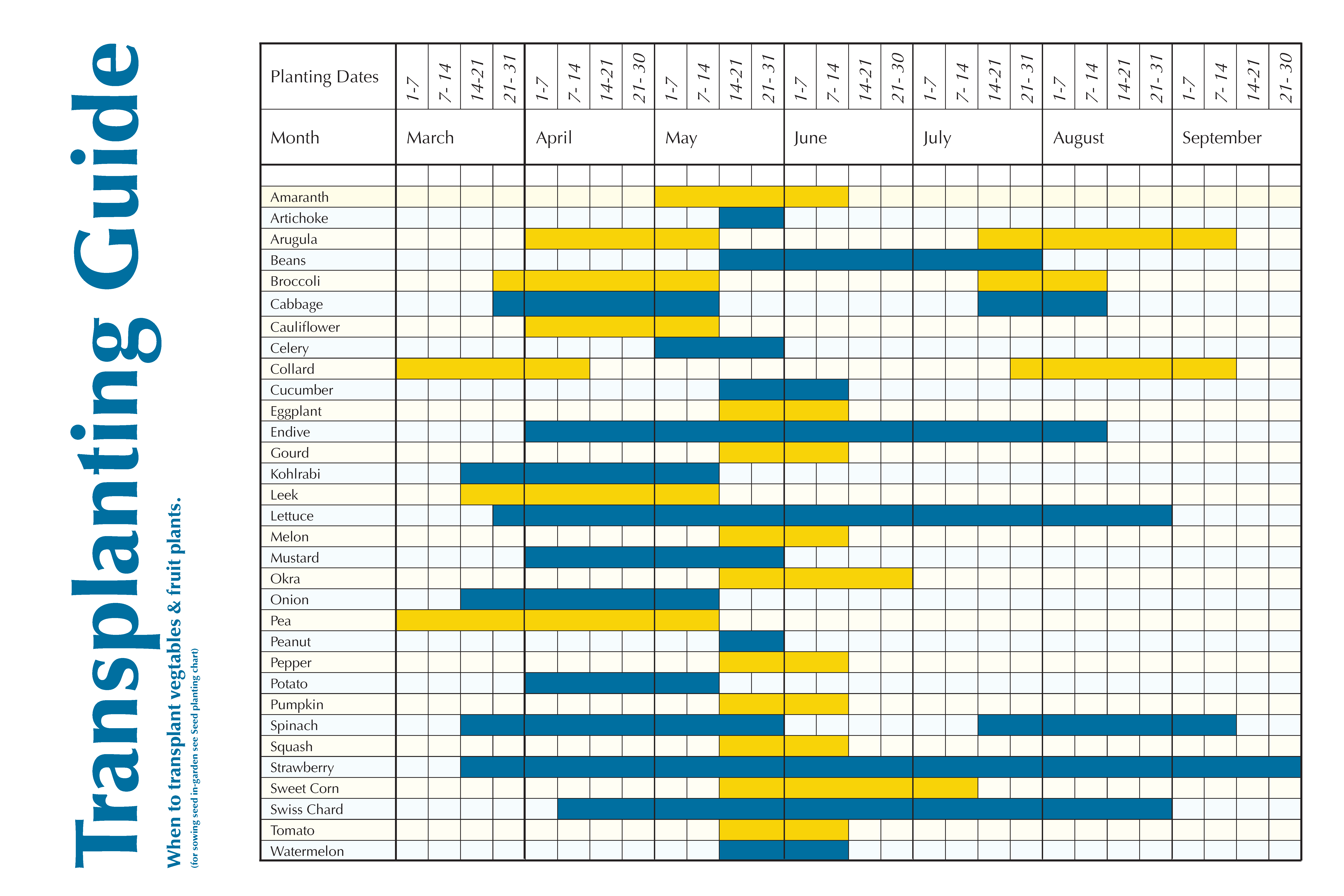
Why Planting Dates Matter
Plants have preferences. Some love cool spring weather, while others refuse to grow until the soil has warmed up.
Getting the timing right means:
- Faster establishment
- Healthier plants
- Higher yields
- Fewer pest and disease problems
- A longer harvest season
Think of planting dates as your garden’s calendar. When you follow the schedule, everything tends to fall into place.
Cool-Season Crops
These crops thrive in the mild temperatures of spring and fall. Many can tolerate frost and actually taste better when grown in cooler weather.
Examples include:
- Broccoli
- Cabbage
- Cauliflower
- Lettuce
- Spinach
- Swiss chard
- Collards
- Kohlrabi
- Onions
- Leeks
- Strawberries
These can often be planted as early as March and again in late summer for a fall harvest.
Warm-Season Crops
These crops need warm soil and frost-free weather before they can be transplanted.
Examples include:
- Tomatoes
- Peppers
- Eggplant
- Cucumbers
- Squash
- Pumpkins
- Melons
- Watermelon
- Okra
- Sweet corn
- Beans
These are usually planted from May through June, once nighttime temperatures consistently stay above 50°F.
Understanding Your Growing Season
In Pennsylvania, the average last frost date typically falls around mid-May.
That means:
- March and April are ideal for cool-weather crops.
- Mid-May marks the beginning of warm-season planting.
- July and August are perfect for starting fall vegetables.
- September can still be used for hardy crops like lettuce and spinach.
Spring Planting
March and April are prime time for getting a jump on the season.
Plant early crops such as:
- Lettuce
- Spinach
- Broccoli
- Cabbage
- Cauliflower
- Onions
- Leeks
These vegetables appreciate cool temperatures and often produce their best flavor before summer heat arrives.
May: Tomato Season Begins
For many gardeners, May is the most exciting month.
Once the danger of frost has passed, it’s safe to transplant:
- Tomatoes
- Peppers
- Eggplant
- Cucumbers
- Squash
- Pumpkins
- Melons
- Watermelon
This is when gardens transform from neat rows into lush jungles of summer abundance.
Fall Gardening
Many gardeners pack up in August, but that’s actually the perfect time to start another round of cool-season crops.
Excellent fall transplants include:
- Broccoli
- Cabbage
- Cauliflower
- Lettuce
- Spinach
- Swiss chard
- Collards
- Endive
Cool fall weather often means sweeter flavor and fewer insects.
Some gardeners say their best lettuce and broccoli crops are harvested in October and November.
Fruit Plants and Strawberries
Strawberries are also included in the transplanting guide and can be planted in spring or fall, depending on your gardening goals.
Once established, strawberry plants reward gardeners with years of sweet harvests and cheerful spring blooms.
Tips for Successful Transplanting
Even perfectly timed planting can go sideways if young plants aren’t handled properly.
Follow these tips for the best results:
- Harden Off Plants: Gradually expose transplants to outdoor conditions over several days before planting.
- Plant on a Cloudy Day: Cool, overcast weather reduces transplant shock.
- Water Thoroughly: Give plants a deep drink immediately after planting.
- Mulch: It helps conserve moisture and suppress weeds.
- Feed the Soil: Healthy soil leads to healthier plants and better harvests.
What If You Miss the “Perfect” Date?
Good news: gardening is forgiving.
Planting dates are guidelines, not rigid rules. Weather varies from year to year, and many crops have surprisingly wide planting windows.
If you’re a little early or a little late, your garden can still thrive.
Plants are remarkably resilient, as long as you give them good soil, water and sunshine.
Gardening Is a Season-Long Adventure
One of the biggest misconceptions in gardening is that everything must be planted in a single spring weekend.
In reality, successful gardens are built over months.
From March lettuce to May tomatoes to August broccoli, each season offers new opportunities to plant and harvest.
That means more food, more flowers and more reasons to spend time outdoors.
Keep the Calendar Handy
Our transplanting guide is a practical tool to help you know exactly when to plant vegetables and fruit starts throughout the growing season.
Whether you’re growing your first tomato plant or planning a backyard harvest worthy of a farmers market, following recommended planting dates gives your garden the best possible start.
So grab your trowel, check the calendar and get planting.