
Air Plants
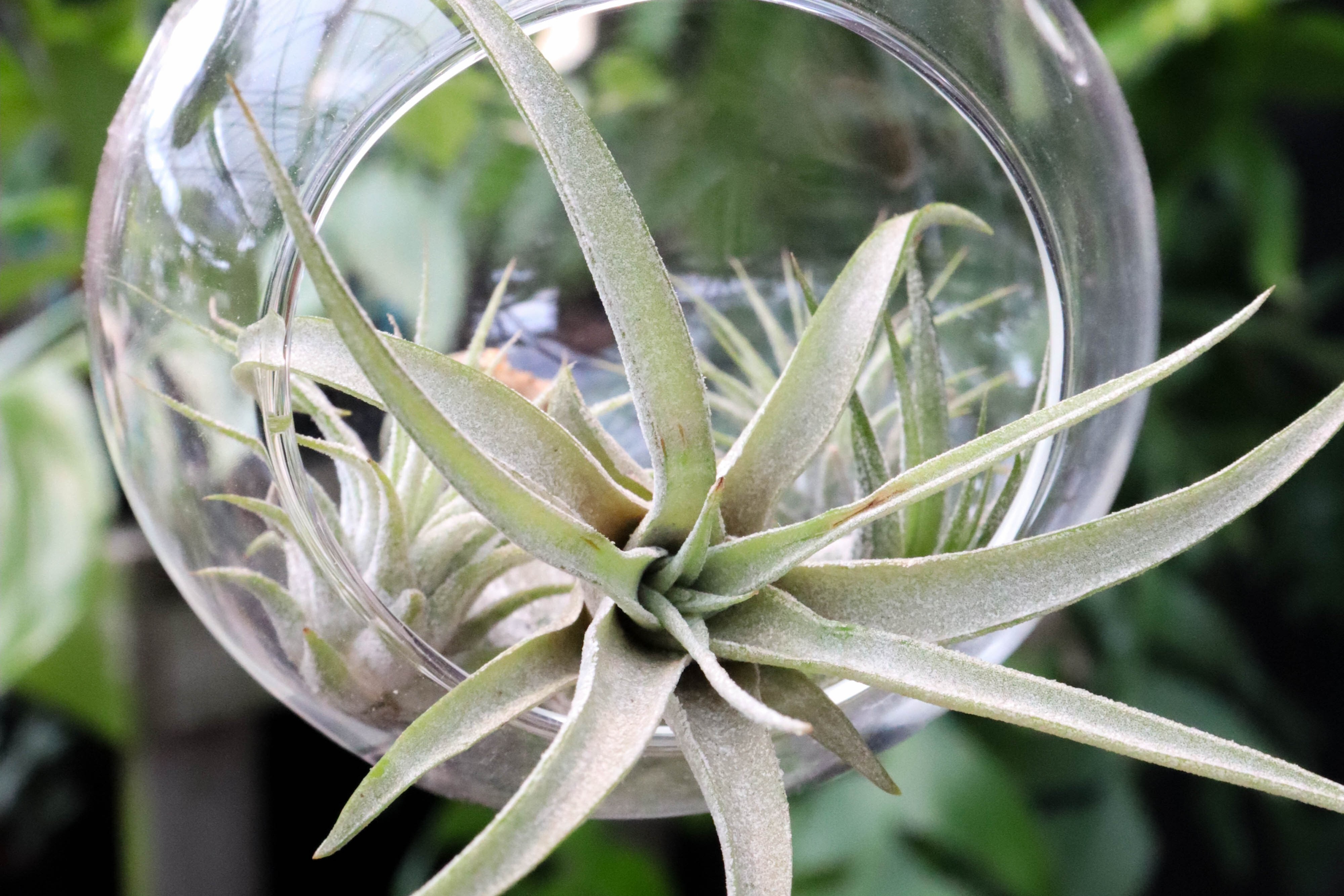
Air plants are a simple and creative way to bring greenery indoors without the mess of traditional potting soil. These unique plants add texture and interest to shelves, terrariums and floral displays while requiring surprisingly little care.
Air plants, commonly known as Tillandsia, belong to the bromeliad family and are native to Central and South America, Mexico and parts of the southern United States. In nature, they grow attached to trees, rocks and cacti rather than in soil, using their roots only for support.
Because they don’t rely on soil, air plants can be displayed almost anywhere, making them one of the most versatile houseplants available.
Light Requirements
Air plants thrive in bright, indirect light. A sunny room with filtered light or an east- or south-facing window is ideal.
Keep in mind:
- Avoid intense direct sun, especially during warm months
- Do not place plants directly above heating vents or in very dry areas
- Warm temperatures and moderate humidity help mimic their tropical habitat
If natural light is limited, grow lights can successfully supplement indoor conditions.
Watering Air Plants
Unlike traditional plants, air plants absorb moisture through tiny scales on their leaves called trichomes. Proper watering is the key to success and may vary depending on your home’s humidity.
Misting
Remove the plant from its container and mist thoroughly 2–3 times per week. Dry environments may require more frequent misting, while humid homes need less.
Running Water
If misting isn’t enough, rinse the plant under running water until fully wet. Gently shake off excess moisture before returning it to its display to prevent rot.
Submersion (Soaking)
For very dry plants, soak them in water for several hours or overnight. This method helps rehydrate stressed plants but should not be used when the plant is in bloom, as flowers may rot.
Tip: Aquarium or pond water works best. If using tap water, allow it to sit for 24 hours before use so chemicals can dissipate.
After watering, always allow plants to dry completely within a few hours.
Caring for Air Plant Pups
Air plants naturally reproduce by forming small offshoots known as pups. These baby plants grow from the base of the mother plant and eventually create a cluster or colony.
For healthiest growth:
- Leave pups attached to form a fuller plant display
- Separate only when pups reach about the same size as the parent plant
- Gently twist or pull to remove if needed
A Simple Way to Bring the Tropics Indoors
Air plants combine flexibility, beauty and easy care, making them ideal for beginners and experienced plant lovers alike. With bright light, regular moisture and good airflow, these soil-free plants will thrive and gradually multiply, adding a touch of tropical charm to any indoor space.