
Bearded Irises
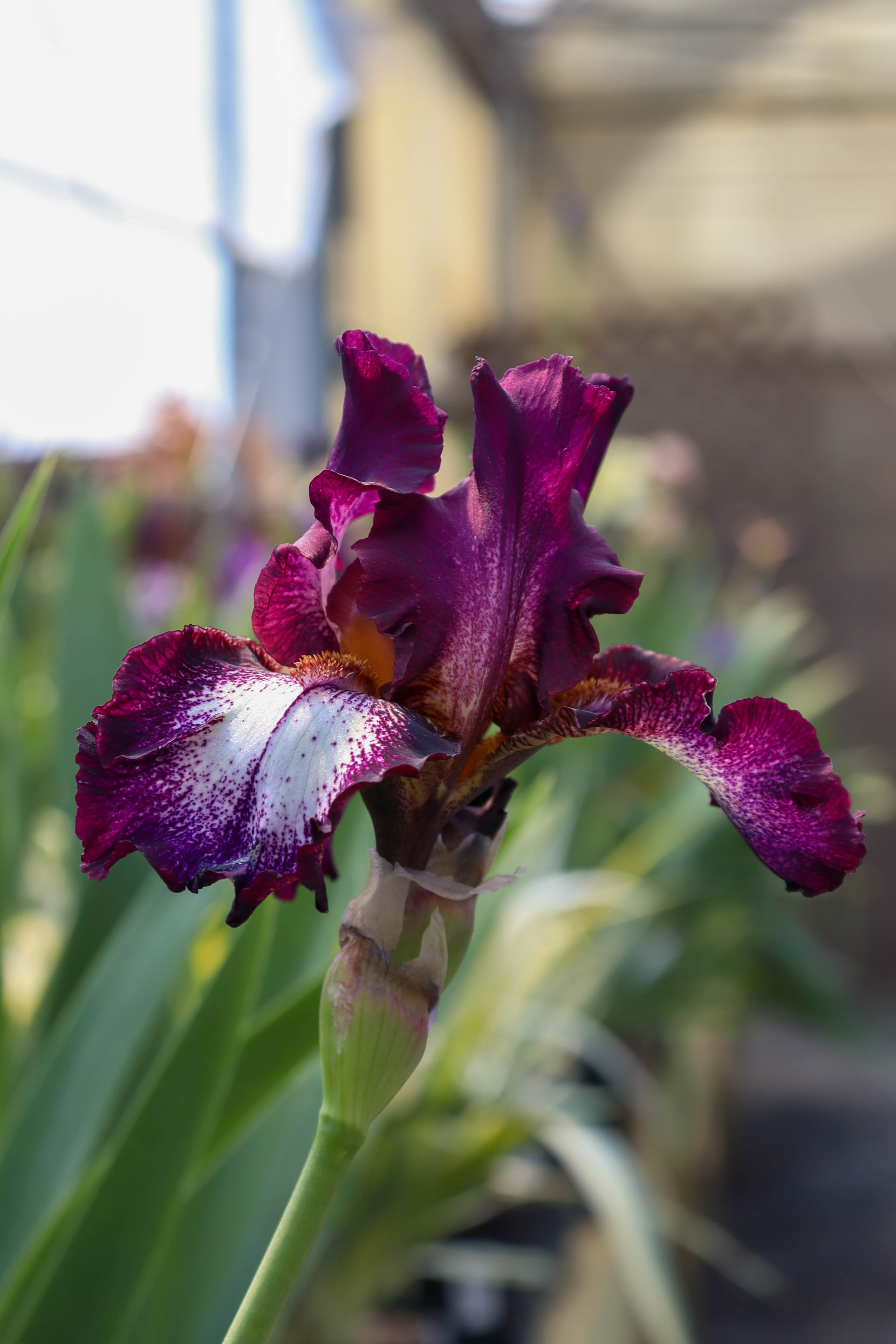
How to Grow & Care for Bearded Iris
Bearded irises are classic garden favorites known for their bold colors and unique, ruffled blooms. These hardy perennials are easy to grow and often thrive for years with very little maintenance. With the right planting and care, they can become a reliable highlight in your garden.
When to Plant
Plant iris rhizomes soon after you receive them for best results. They can safely stay out of the ground for several days if kept dry, but planting within one to two weeks is recommended.
Iris can be moved at almost any time if handled carefully. The best time to transplant them is shortly after they bloom and before new growth begins. Moving them during this window helps reduce stress and improves success.
Where to Plant
Bearded irises grow well in USDA Hardiness Zones 3 through 10 in western regions and Zones 3 through 8 in eastern regions. They are very dependable perennials and often continue blooming even in older or neglected gardens.
These plants prefer at least six hours of full sunlight each day. They grow best in rich, well-drained soil with a slightly neutral pH between 6.5 and 7.0. Good drainage is especially important because iris rhizomes can rot if they stay too wet.
Soil Preparation
Most garden soils work well for irises as long as they drain properly. If a soil test shows missing nutrients, add amendments based on the test results.
If fertilizer is needed during planting, bone meal or super phosphate is often recommended. These help support strong root development and healthy growth.
How to Plant Iris Rhizomes
Before planting, soak the rhizomes and roots in water for a few hours. Dig a hole about six inches deep and create a small mound of soil in the center.
Place the rhizome on top of the mound and spread the roots around it. The top of the rhizome should sit level with the soil surface in loamy soil and slightly above the surface in heavy clay soil. After planting, firm the soil and water thoroughly.
Water only during long dry periods after the initial planting. Avoid placing compost, manure or mulch directly over the rhizome, as this can cause rot. Weed control products can be used to help prevent weed growth around the plants.
Feeding Iris Plants
Bearded irises are light feeders and do not require heavy fertilizing. Each spring, after new growth begins, sprinkle a small handful of 5-10-10 fertilizer around each plant.
Applying fertilizer before rainfall or rinsing it off the leaves helps prevent damage. Some gardeners also give plants a light feeding about one month before blooming. Reblooming varieties benefit from extra watering and fertilizer after their spring bloom.
Cutting Back Foliage
Healthy green leaves should remain on the plant because they help store energy for future blooms. Remove leaves only when they turn brown or show signs of disease.
Late winter is a good time to clean up old foliage and garden debris. Removing old plant material before March helps prevent insects from overwintering near your plants.
Bloom Season Care
Iris blooms can be enjoyed in the garden or cut for indoor arrangements. Remove faded flowers by gently snapping them off.
Once a flower stalk finishes blooming, remove it by bending or snapping it near the base. Doing this on a dry day helps prevent disease.
Dividing Iris Clumps
Irises usually bloom well the year after transplanting, but their best flowering often occurs between the second and fourth years. After three to four years, the rhizomes may become crowded and should be divided to maintain strong blooming.
To divide irises, dig up the clump during July or August. Trim leaves back to about six inches, separate the rhizomes and discard older sections without leaf fans. Wash, dry and trim roots to about four inches before replanting or storing them in a cool, dry place until ready to plant again.
Bearded irises are long-lasting, low-maintenance plants that reward gardeners with vibrant blooms year after year. With proper sunlight, drainage and occasional dividing, they will continue to thrive and brighten your landscape.