
Eastern Bluebirds
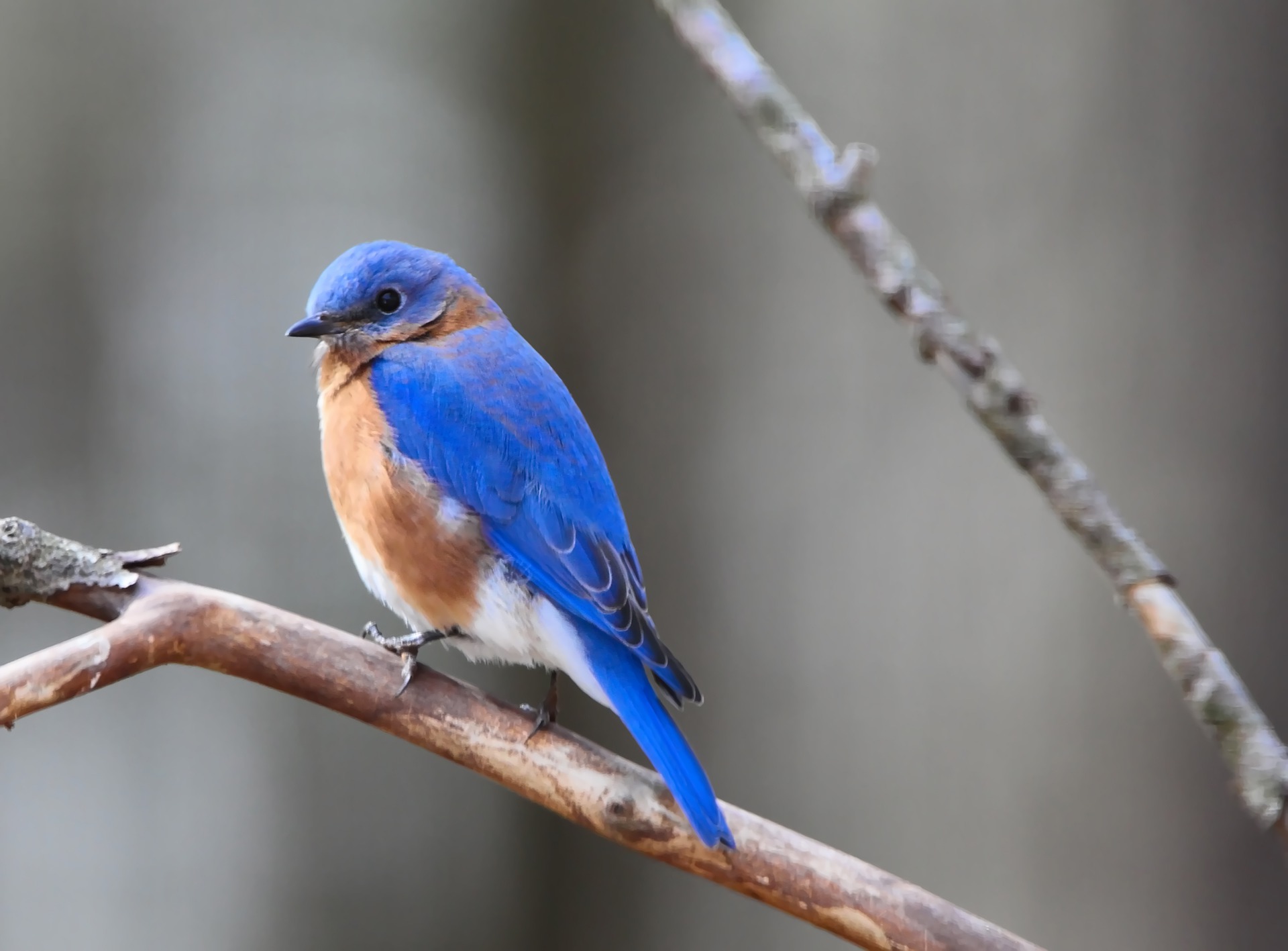
Meet the Eastern Bluebird
With their cheerful song and brilliant coloring, Eastern Bluebirds are one of the most loved backyard birds in North America. These beautiful birds are not only enjoyable to watch, but they also play an important role in keeping insect populations in check. Here’s everything you need to know about these feathered friends and how to attract them to your yard.
What Do Eastern Bluebirds Look Like?
Eastern Bluebirds are easy to recognize thanks to their vibrant coloring. Males display bright blue backs and wings, paired with a warm reddish-orange breast and a white belly. Females share the same pattern but have softer, more muted coloring with gray tones. Young bluebirds start out gray with speckled chests and gradually develop their signature blue as they mature.
Where Do They Live?
Eastern Bluebirds are found throughout much of North America, especially in the eastern and central United States. They prefer open areas like fields, orchards, pastures and meadows with scattered trees or fence posts. Trees and cavities are especially important, providing safe places for nesting and resting.
What Do Eastern Bluebirds Eat?
Their diet changes with the seasons. During warmer months, Eastern Bluebirds feed mostly on insects such as beetles, crickets, caterpillars and grasshoppers. When temperatures drop and insects become scarce, they switch to fruits and berries like dogwood, cedar berries, wild grapes and blackberries. In backyard settings, they are especially attracted to mealworms and fruit or berry-based bird foods.
Behavior and Communication
Eastern Bluebirds are social birds and may gather in surprisingly large flocks, especially during colder months. They are partially migratory, moving south when food becomes scarce. When hunting, bluebirds often perch and then swoop down to catch insects on the ground. Their soft, musical calls often sound like “chir wi” or “chur lee.”
Nesting and Reproduction
Female bluebirds build neat, cup-shaped nests inside tree cavities or nest boxes. They typically lay between three and seven eggs, which hatch in about two weeks. Both parents help feed the young, primarily with insects, until they leave the nest roughly 15 to 20 days later. Occasionally, older offspring may stay nearby to help care for a second group of chicks.
Lifespan and Predators
Eastern Bluebirds typically live between six and ten years in the wild. Like many small birds, they face threats from predators such as chipmunks, flying squirrels, domestic cats and other small mammals.
Conservation and Their Relationship With Humans
Eastern Bluebird populations declined significantly in the past due to habitat loss and competition from invasive species like House Sparrows and European Starlings. Fortunately, conservation efforts like the use of bluebird nest boxes have helped their numbers recover. Bluebirds also benefit people by naturally controlling insect populations.
How to Attract Eastern Bluebirds to Your Yard
Creating a welcoming habitat is key to attracting bluebirds. Offering mealworms, fruit and berry bird foods and bluebird-specific feeders can encourage visits. Installing properly designed bluebird nest boxes in open areas with nearby perching spots can also help provide a safe nesting site.