
How to Fertilize Annuals
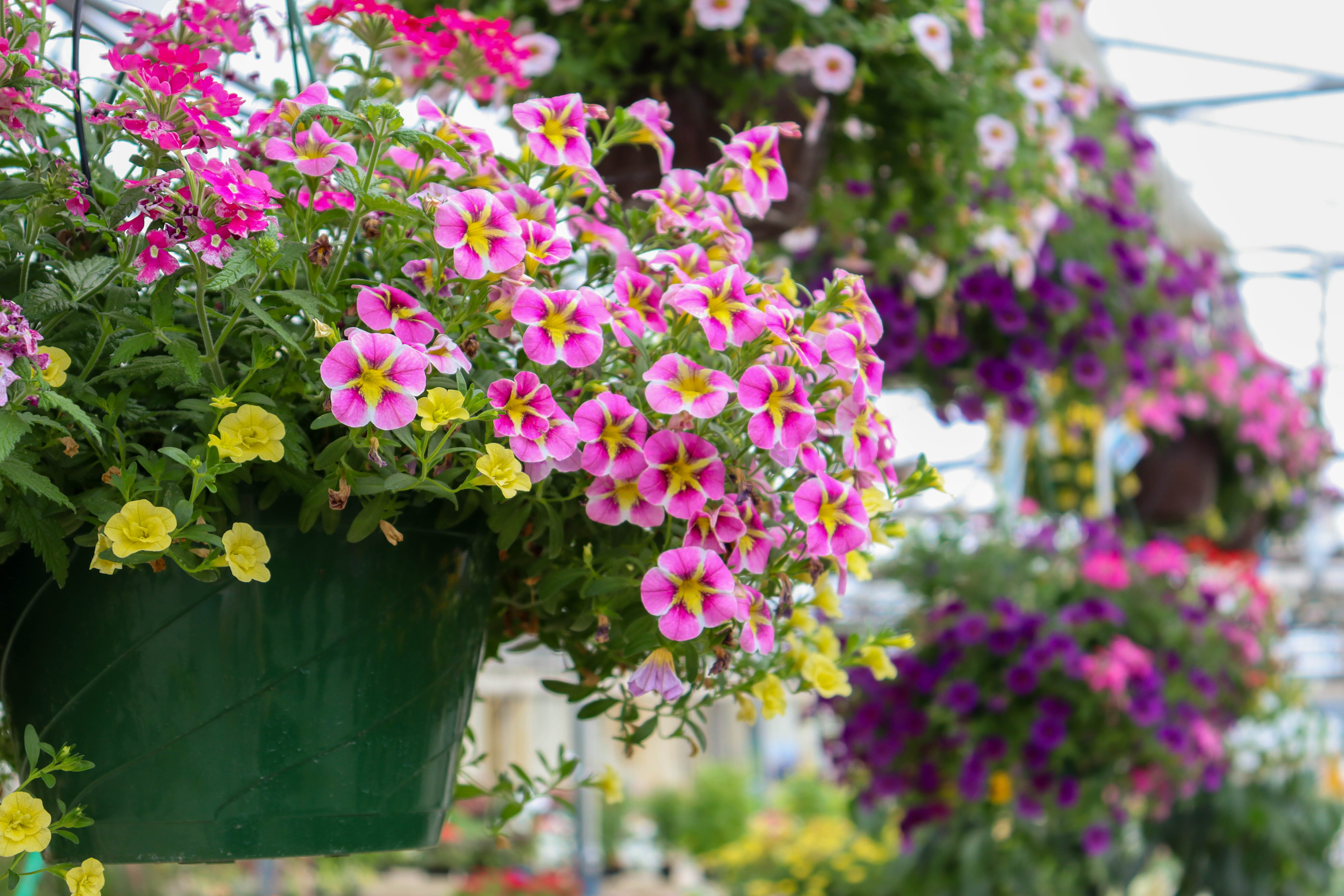
Fertilizing Annuals: How to Get Bigger, Healthier, More Colorful Blooms
Annuals work hard and fast. Unlike perennials, they only have one growing season to grow, bloom and put on their entire show. Because they don’t get a second chance, fertilizing annuals plays a key role in helping them reach their full potential.
There are two main reasons gardeners fertilize annuals:
- To encourage steady, healthy growth
- To promote abundant flowering and vibrant color
With the right nutrients at the right time, annuals will reward you with fuller plants and longer-lasting blooms.
How Often Should You Fertilize Annuals?
Annuals perform best when they’re fed regularly, especially during their peak growing and blooming periods.
- In-ground annuals: Fertilize every 2–3 weeks
- Container-grown annuals: Fertilize every 10–14 days
Plants grown in containers depend entirely on you for nutrients. Watering frequently flushes nutrients out of the soil, which is why container plants often benefit from time-release fertilizers or more frequent feedings.
Don’t Overdo It: The Importance of Proper Fertilizing
More fertilizer is not better. Applying too much can cause:
- Burned or damaged plant tissue
- Reduced flowering
- In severe cases, plant death
Always read fertilizer labels carefully and follow the recommended rates. A helpful rule of thumb is: The slower a plant grows, the less fertilizer it needs. Plants producing lots of flowers, on the other hand, typically require more nutrients to keep up with demand.
Organic Fertilizers: A Gentler Option
If over-fertilizing feels intimidating, consider using a natural or organic fertilizer. These are usually made from composted manures or other organic materials and release nutrients more slowly. Because of this, they are much less likely to burn plants, making them a great choice for beginners or cautious gardeners.
Understanding Fertilizer Numbers
Fertilizer labels display three numbers (N–P–K), representing:
- Nitrogen (N): Promotes leafy growth
- Phosphorus (P): Encourages root development and flowering
- Potassium (K): Supports overall plant health and strength
Avoid fertilizers with high nitrogen levels for flowering annuals. Too much nitrogen leads to lush foliage but fewer flowers. Many annual bedding plants prefer a fertilizer with higher phosphorus, which supports strong blooms and bud development.
Our Recommendation
Garden Elements Bud and Bloom Plant Food & Water Soluble Fertilizer
This formula is designed to help flowering plants perform at their best, delivering fully available macro and micronutrients that support strong growth and maximum bloom production.
Key ingredients include:
Ammonium Phosphate, Potassium Phosphate, Potassium Nitrate, Potassium Sulfate, Iron EDTA and Manganese EDTA.
With a fertilizing routine, your annuals can shine, producing healthier plants, brighter colors and blooms that last all season long. A little nutrition goes a long way toward creating a garden that puts on its very best show.