
Winter Birding
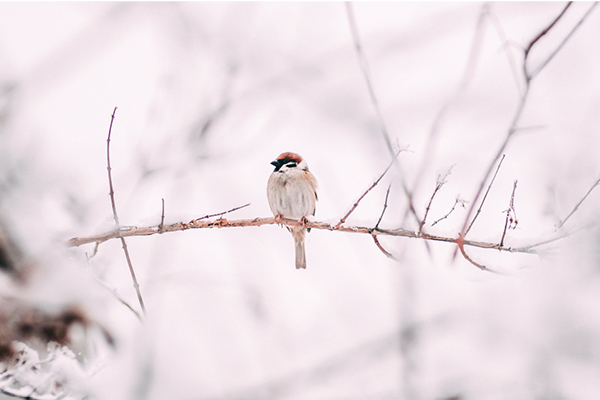
Feeding birds throughout the year is a simple and enjoyable way to connect with nature. It becomes especially important during winter when the ground freezes and natural food sources become limited. Supplying food helps birds maintain their energy and stay healthy through colder months.
Feeding the Birds
With so many bird seed options available, choosing the right one can feel overwhelming. In most areas, black-oil sunflower seed is the best all-around choice. It has a high fat content, a high meat-to-shell ratio, and a thin shell that is easy for smaller birds to crack. Start with sunflower seeds, then experiment with other seed blends to attract a wider variety of birds.
Different birds prefer different foods:
- Chickadees, Wrens, Nuthatches, Jays, Woodpeckers, and Titmice enjoy suet
- Nuthatches, Finches, Cardinals, Grosbeaks, and Titmice enjoy safflower seed (though most birds prefer sunflower seeds)
- Finches also enjoy millet and Nyjer (thistle) seed
- Sparrows and doves prefer corn, which is also enjoyed by ducks and wild turkeys
If you purchase bird seed in bulk, store it in a cool, dry place inside a metal container. Check seed regularly for mold and avoid using seed that has been stored for long periods.
Many birds, including jays, nuthatches, and woodpeckers, will also eat peanuts. You can attract even more species by offering additional foods such as:
- Popped popcorn (without salt or butter)
- Hulled sunflower seeds
- Peanut hearts
- Soaked raisins
- Pieces of fruit (orioles especially like oranges)
- Fruit seeds from melons or apples
- Grapes
- Mealworms
Birds can be cautious about new food sources. When introducing new items, place them in a familiar feeding location to help birds feel comfortable trying them.

Wildlife Elements In-Shell Peanuts
Ideal for squirrels, birds, deer, and other outdoor wildlife.
Shop Now
Bird Baths
Birds need water for both drinking and bathing, making water features just as attractive as feeders. You can purchase a bird bath or use shallow dishes or pans.
Ground-level baths tend to be preferred, but elevated baths will also attract birds. If placing a bath at ground level, add branches or stones so birds can stand safely while drinking without getting fully wet.
During winter, it is important to keep water accessible. Maintaining an ice-free bird bath encourages birds to visit even in freezing temperatures. Heated bird baths, as well as bird bath heaters and de-icers, are simple solutions that help keep water available during cold weather.
Bird Houses
Birds choose nesting areas based on safety, basic shelter needs and location. Bird houses should blend into their surroundings to reduce visibility to predators. Always mount bird houses at least six feet off the ground to help deter cats, raccoons, and other animals.
If you are building or installing a bird house, consider the following:
- The entrance hole size should match the bird species you want to attract
- Add ventilation holes to allow proper airflow and light
- Research species-specific features when designing a bird house
Building or choosing the right bird house can greatly increase your chances of attracting specific birds.